2025 година
Книжка 5-6
EARTHQUAKE-RESISTANT INDUSTRIAL WOODEN HOUSING IN TURKEY
Anastasiia Plekhanova, Master’s, Nevnihal Erdoğan
DRIVING INNOVATION AND ENTREPRENEURSHIP IN ENGINEERING: INSIGHTS FROM THE TRIANGLE EIT HEI PROJECT
Genta Rexha, Kejda Nuhu
АНАЛИЗ НА ФУНКЦИОНАЛНОСТТА НА TOLANALYST
Петър Горанов, Десислава Георгиева
ОТНОСНО СИСТЕМА ЗА УПРАВЛЕНИЕ НА ДОКУМЕНТИТЕ ЗА МАЛКА ФИРМА
Петър Горанов, Десислава Георгиева
АДИТИВНО ПРОИЗВОДСТВО И НЯКОИ НАСОКИ ЗА БЪДЕЩОТО МУ РАЗВИТИЕ
Елена Тодорова, Мариана Митова
ПРЕВЕНЦИЯ ЗА ЗДРАВЕ И БЕЗОПАСНОСТ ПРИ РАБОТА ВЪВ ФИРМА
Ирена Николова
ИЗСЛЕДВАНЕ НА СТАБИЛНОСТТА НА РАЗХОДОМЕР ТИП IRM 3 DUO
Десислава Колева, Мариета Янчева-Попова, Васил Пенчев, Виктор Арсов
ТЕХНИЧЕСКИ ОСОБЕНОСТИ НА НЕОТЛОЖНИТЕ И ПЪРВОНАЧАЛНИ СЛЕДСТВЕНИ ДЕЙСТВИЯ ПРИ РАЗСЛЕДВАНЕ НА ПЪТНОТРАНСПОРТНИ ПРОИЗШЕСТВИЯ
Васил Пенчев, Мариета Янчева-Попова, Десислава Колева
МЕТОДИКА ЗА АНАЛИЗ НА ПЪТНОТРАНСПОРТНО ПРОИЗШЕСТВИЕ В УСЛОВИЯТА НА ОГРАНИЧЕНА ИЗХОДНА ИНФОРМАЦИЯ
Васил Пенчев, Мариета Янчева-Попова, Десислава Колева
ИЗКУСТВЕНИЯТ ИНТЕЛЕКТ КАТО ИНСТРУМЕНТ ЗА ОПТИМИЗАЦИЯ НА ПРОЦЕСА ПО ОЦЕНКА НА ПРОФЕСИОНАЛНИТЕ РИСКОВЕ
Инж. Ефстатиос Титопулос, Боряна Илиева, Георги Станчев, Филостратос Титопулос
ПРОУЧВАНЕ НА ИЗИСКВАНИЯТА ОТНОСНО ОТПАДЪЦИ В ТЕКСТИЛНАТА ПРОМИШЛЕНОСТ
Росица Димитрова, Боряна Илиева-Михайлова, Георги Станчев
Книжка 3-4
ИНОВАТИВНО УЧИЛИЩЕ С БИБЛИОТЕКА ЗА СЪВМЕСТНО ПРЕПОДАВАНЕ
Инж. Севда Тюфекчиева
МОДЕЛ НА СЪВМЕСТНО ПРЕПОДАВАНЕ ЧРЕЗ ОБЛАЧНИ ТЕХНОЛОГИИ
Инж. Севда Тюфекчиева
ИНОВАТИВНИ МЕТОДИ НА ОБУЧЕНИЕ В ПРЕПОДАВАНЕТО НА ПЕТКО-СЛАВЕЙКОВАТА ПОЕМА „ИЗВОРЪТ НА БЕЛОНОГАТА“ В 9. КЛАС
Татяна Георгиева
ПРИЛАГАНЕ НА ФОРУМ ТЕАТЪР В ПРЕПОДАВАНЕТО НА ЛИТЕРАТУРА В ГИМНАЗИАЛЕН ЕТАП НА ОБУЧЕНИЕ
Татяна Георгиева
УЧЕНИК, УЧИТЕЛ, ЕКИП: ФОРМУЛАТА ЗА УСПЕХ В СВЕТА НА АЛГОРИТМИТЕ
Иванка Зангочева
DESIGN PRINCIPLES FOR POSITIVE ENERGY DISTRICTS
Peter Kovrig, Dorin Lucian Beu
ПРЕДИЗВИКАТЕЛСТВАТА В ОБРАЗОВАНИЕТО, СВЪРЗАНИ С ИЗПОЛЗВАНЕТО НА ИЗКУСТВЕНИЯ ИНТЕЛЕКТ
Инж. Румяна Комарска
CONFORMITY ASSESSMENT OF PERSONAL PROTECTIVE EQUIPMENT: A METHODOLOGICAL FRAMEWORK AND PRACTICAL APPLICATION
Victor Arsov, Marieta Yancheva-Popova, Desislava Koleva
CONFORMITY ASSESSMENT SYSTEM FOR PRODUCTS – POWER EQUIPMENT: METHODOLOGICAL APPROACH AND PRACTICAL APPLICATION
Victor Arsov, Marieta Yancheva-Popova, Desislava Koleva
IMPLEMENTATION OF AN ELECTRONIC HEALTH RECORD FOR OCCUPATIONAL MEDICINE
Sofoklis Christoforidis, Efstathios Titopoulos, Boryana Mihaylova, Athanasios Thomopoulos, Dimitrios Thomopoulos, Eleni Kromitoglou
SOLVING THE JOB SHOP SCHEDULING PROBLEM – DIFFERENT TECHNIQUES AND PROGRAMMING LANGUAGES
Sofoklis Christoforidis, Efstathios Titopoulos, Boryana Mihaylova, Eleni Kromitoglou, Stergios Intzes
Книжка 1-2
ВЪЗМОЖНОСТИ ЗА ПРИОБЩАВАНЕ ЧРЕЗ ДУАЛНО ОБУЧЕНИЕ
Силвия Тонева
КАК ИЗКУСТВЕНИЯТ ИНТЕЛЕКТ ПРОМЕНЯ ОБРАЗОВАНИЕТО
Магдалена Мъглижанова
СОЦИАЛНО-ИКОНОМИЧЕСКИ ФАКТОРИ И ИНТЕГРИРАНА СИСТЕМА ЗА УПРАВЛЕНИЕ – ЕФЕКТИВЕН МЕХАНИЗЪМ ЗА КАЧЕСТВЕНО ПРОФЕСИОНАЛНО ОБУЧЕНИЕ
Мария Гюлеметова
РОЛЯТА НА ПРОФЕСИОНАЛНОТО STEM ОБРАЗОВАНИЕ В ИЗГРАЖДАНЕТО НА КУЛТУРА НА СТАНДАРТИЗАЦИЯ: ПРЕДИЗВИКАТЕЛСТВА И ВЪЗМОЖНОСТИ
Боряна Илиева
2024 година
Книжка 5-6
ВЛИЯНИЕ НА МУТАЦИОННИТЕ ИЗМЕНЕНИЯ НА ГЛАСА ВЪРХУ МУЗИКАЛНАТА ДЕЙНОСТ НА ПОДРАСТВАЩИТЕ
Адина Плетике, Валентина Невзорова
ПРОУЧВАНЕ НА КОГНИТИВНИ СТРАТЕГИИ ЗА САМОРЕГУЛИРАНО УЧЕНЕ НА СТУДЕНТИ В ПРОФЕСИОНАЛНО-ПЕДАГОГИЧЕСКАТА ИМ ПОДГОТОВКА
Евгения Тополска
ЗАПАДЪТ ПО УТЪПКАНИЯ ПЪТ НА ТОТАЛИТАРИЗМА
Нено Димов
INCLUSIVE EDUCATION: ESSENCE, PREREQUISITES FOR ITS EMERGENCE, CHALLENGES AND OPPORTUNITIES
Georgi Kostov
ПО ПЪТЕЧКАТА НА ЕМОЦИИТЕ – МАЛКИТЕ СТЪПКИ, ФОРМИРАЩИ ГОЛЕМИТЕ ЦЕННОСТИ
Цветослава Илиева
Книжка 4
УСВОЯВАНЕ НА РЕЧНИКОВИЯ СЪСТАВ НА ЕЗИКА ЧРЕЗ СЪПОСТАВКА НА ОФИЦИАЛНИ ПРЕВОДИ И ПРЕВОД ОТ ИЗКУСТВЕН ИНТЕЛЕКТ
Ваня Бояджиева
ОСНОВНА, ТРАНСПОЗИЦИОННА И МОДАЛНА УПОТРЕБА НА СЕГАШНО ВРЕМЕ В БЪЛГАРСКИ ЕЗИК И ТЕХНИТЕ РЕЛАЦИИ В АНГЛИЙСКИ И ИСПАНСКИ ЕЗИК
Георги Джумайов
ИЗСЛЕДВАНЕ НА УМЕНИЯТА ЗА ЧЕТЕНЕ – СРЕЩА МЕЖДУ НАУКА И ОБРАЗОВАНИЕ
Христина Кукова, Гергана Будинова
ПРОБЛЕМНО ОРИЕНТИРАНО ОБУЧЕНИЕ КАТО ВЪЗМОЖНОСТ ЗА РАЗВИВАНЕ НА КРИТИЧЕСКОТО МИСЛЕНЕ НА УЧЕНИЦИТЕ
Деспина Василева
Книжка 2-3
MODERN METHODS OF TEACHING AGRICULTURAL DISCIPLINES IN VOCATIONAL HIGH SCHOOLS OF AGRICULTURE
Georgi Kostov
„СИЛИ – ДВИЖЕНИЕ И РАВНОВЕСИЕ. БИОМЕХАНИКА НА ЧОВЕШКОТО ТЯЛО“ – ИНТЕРДИСЦИПЛИНАРНА STEAM ПРАКТИКА
Антоанета Донева, Василка Кочева
СКАЧЕНА С Х-ХРОМОЗОМАТА РЕЦЕСИВНА НАСЛЕДСТВЕНОСТ – ИНТЕРДИСЦИПЛИНАРЕН УРОК ПО БИОЛОГИЯ, ИСТОРИЯ И АНГЛИЙСКИ ЕЗИК
Десислава Стойнева
ДА НАВЛЕЗЕМ В НАУКАТА С ИГРИ
Стефан Петров
SOCIAL ENTREPRENEURSHIP – EDUCATION – LOCAL AUTHORITIES: HISTORICAL ROOTS AND FUTURE STRATEGIES
Silviya Georgieva
THE EU’S POLICY TOWARDS MODERNIZING THE LEGISLATIVE FRAMEWORK ON ANTI-CORRUPTION: ANTI-CORRUPTION REFORMS IN BULGARIA
Svetoslav Spassov
ЛЮБОПИТНО И ПОЛЕЗНО ЗА ХРАНИТЕ И НАПИТКИТЕ
Галя Аралова
Книжка 1
ОБУЧЕНИЕТО ПО ФИЗИЧЕСКО ВЪЗПИТАНИЕ И СПОРТ ЗА ВТОРИ КЛАС В РЕПУБЛИКА БЪЛГАРИЯ И КРАЛСТВО НОРВЕГИЯ
Виктория Ковчазова, Теодора Симеонова
ЗА ВРЪЗКАТА МЕЖДУ СРЕДНОТО И ВИСШЕТО ОБРАЗОВАНИЕ ПО СПЕЦИАЛНОСТ „СЪДЕБНА АДМИНИСТРАЦИЯ“ В РЕПУБЛИКА БЪЛГАРИЯ
Дарина Димитрова, Диана Димитрова
РАБОТА С ИНФОРМАЦИОННИ ИЗТОЧНИЦИ – КЛЮЧОВО ОБУЧЕНИЕ НА ДОКТОРАНТИ, СВЪРЗАНО С НАУЧНОТО ПОЗНАНИЕ И ЕТИКА
Петя Георгиева
2023 година
Книжка 6
ПРИЛОЖЕНИЕ НА ЕЛЕКТРОННИТЕ ОБРАЗОВАТЕЛНИ РЕСУРСИ В ИНTЕРДИСЦИПЛИНАРНИТЕ STEM УРОЦИ
Емилия Лазарова, Веселина Иванова, Ирина Костадинова, Анета Кинева, Георги Йорданов
УЧЕНИЧЕСКОТО САМОУПРАВЛЕНИЕ ЗА РАЗВИТИЕ НА УЧИЛИЩНАТА ОБЩНОСТ И ФОРМИРАНЕ НА ЦЕННОСТИ
Маргарита Игнатова
Книжка 5
ОРГАНИЗАЦИЯ НА ОБУЧЕНИЕТО ПРИ ИЗПОЛЗВАНЕ НА МОДЕЛА 1:1 ВЪВ ВТОРА АНГЛИЙСКА ЕЗИКОВА ГИМНАЗИЯ „ТОМАС ДЖЕФЕРСЪН“
Веселина Иванова, Емилия Лазарова, Анета Кинева
КОМПЕТЕНТНОСТНИЯТ ПОДХОД В КЛАСНАТА СТАЯ НА XXI ВЕК – МЕЖДУДИСЦИПЛИНАРНО УЧЕНЕ
Мария Методиева Генова
КОМПЕТЕНТНОСТИ И УМЕНИЯ В ЧАСОВЕТЕ ПО ВТОРИ ЧУЖД ЕЗИК
Маргарита П. Петрова
УЧЕНИЧЕСКОТО САМОУПРАВЛЕНИЕ ЗА РАЗВИТИЕ НА УЧИЛИЩНАТА ОБЩНОСТ И ФОРМИРАНЕ НА ЦЕННОСТИ
Маргарита Игнатова
ПРОБЛЕМНО БАЗИРАНОТО ОБУЧЕНИЕ И ПРОЕКТНО БАЗИРАНОТО ОБУЧЕНИЕ В STEM НАПРАВЛЕНИЕТО
Севдалина С. Стоянова
ДИГИТАЛИЗАЦИЯ НА УЧЕБНИЯ ПРОЦЕС С МЕЖДУПРЕДМЕТНИ ВРЪЗКИ (МАТЕМАТИКА, ФИЗИКА И ИНФОРМАЦИОННИ ТЕХНОЛОГИИ) И ИЗКУСТВЕН ИНТЕЛЕКТ
Гергана Дерибанова, Анета Кинева, Соня Кунчева
Книжка 4
SCHOOL LEADERSHIP
Phil Budgell
АНГЛОЕЗИЧНИЯТ ПЪТЕПИС ЗА БЪЛГАРИЯ В ЗОРАТА НА ХХ В.: СЪЗДАТЕЛ НА ОБРАЗИ И МЕДИАТОР НА ИДЕНТИЧНОСТИ
Мая Бойчева
ТРАДИЦИОНЕН СРЕЩУ ДИГИТАЛЕН PR – ПРЕДИМСТВА И НЕДОСТАТЪЦИ
Любослава Миткова
СТРАТЕГИЧЕСКИ ДОКУМЕНТИ ЗА РАЗВИТИЕТО НА СПОРТА В БЪЛГАРИЯ
Василена Иванова
Книжка 3
МАЛКО ПОЗНАТИ ЛИЧНОСТИ В БЪЛГАРСКОТО ПРОФЕСИОНАЛНО ОБРАЗОВАНИЕ: СТЕФАНА ПИСАРЕВА-ШНИТЕР (1892 – 1944)
Жоржета Назърска
ADDRESSING THE PROBLEM OF SURPLUS SCHOOL PLACES IN A MUNICIPALITY; BASED ON A TAXONOMY OF EDUCATIONAL OBJECTIVES
Dr Phil Budgell
ОТБРАНИТЕЛНИТЕ СПОСОБНОСТИ НА МЕХАНИЗИРАНИТЕ И ТАНКОВИТЕ ФОРМИРОВАНИЯ – ПРЕДИЗВИКАТЕЛСТВА И ЗНАЧИМОСТ
Кап. Славена Желязкова-Генкова, полк. Калин Градев
ВОЙНАТА В УКРАЙНА В РАКУРСА НА ПРЕДИЗБОРНАТА КАМПАНИЯ ЗА 49-ОТО ОБИКНОВЕНО НАРОДНО СЪБРАНИЕ
Боряна Райчева-Данаилова
ДЕЦЕНТРАЛИЗИРАНИ СОЦИАЛНИ МЕДИИ
Васил Календеров
ИЗКУСТВЕНИЯТ ИНТЕЛЕКТ В ЗДРАВНИЯ PR
Гергана Дончева Янков
Книжка 2
ОБРАЗОВАТЕЛНИ ЦЕЛИ И ТИПОВЕ АЛГОРИТМИЧНО МИСЛЕНЕ В ТЕМИ ОТ ТУРНИРА „ЧЕРНОРИЗЕЦ ХРАБЪР“ ЗА II – IV КЛАС
Борислав Лазаров
АНАЛИЗ ПРИМЕНЕНИЯ ПРИНЦИПОВ ТЕОРИЙ МОТИВАЦИИ В ГЕЙМИФИКАЦИИ ОБУЧЕНИЯ
Абрамова Оксана Федоровна
СПОСОБНОСТТА ЗА УЧЕНЕ – ОСНОВНА ПРЕДПОСТАВКА ЗА КОМПЕТЕНТНОСТ И РЕАЛИЗАЦИЯ
Подполк. Христо Георгиев
АНАЛИЗ НА КОНЦЕПЦИЯТА ЗА МУЛТИДОМЕЙНОВИ ОПЕРАЦИИ И ИНТЕГРИРАНЕ НА НОВОВЪЗНИКВАЩАТА ИДЕЯ ЗА „БОЕН ОБЛАК“
Майор Кристина Крумова
СЪЩНОСТ И КЛАСИФИКАЦИЯ НА БЕЗПИЛОТНИ НАДВОДНИ АПАРАТИ
Майор Димитър Йончев
Книжка 1
NOT SO MUCH AN AXIOMATIC SYSTEM, MORE A TAXONOMY OF EDUCATIONAL OBJECTIVES 1
Phil Budgel, Mitko Kunchev
INFORMAL EDUCATORS AS A SUBJECTS OF PEDAGOGICAL INTERACTION IN PEDAGOGY OF INFORMAL EDUCATION
Tanya Zhelyazkova-Teya
РАННО КАРИЕРНО ОРИЕНТИРАНЕ – ТЕНДЕНЦИЯ И/ИЛИ УСПЕХ
Йордан Адолфов
ПРЕДСТАВЯНЕ НА ОРГАНИЗАЦИЯТА И УПРАВЛЕНИЕТО НА ХОТЕЛ ОТ СВЕТОВНИЯ ЕЛИТ
Цветелина Петрова
2022 година
Книжка 6
НАУКАТА ЗА ЗДРАВЕТО В ОБУЧЕНИЕТО НА СТУДЕНТИТЕ ПО КИНЕЗИТЕРАПИЯ И ФИЗИЧЕСКО ВЪЗПИТАНИЕ
Наталия Петрова, Диана Иванова
РЕЗУЛТАТИ ОТ ИЗСЛЕДВАНЕ НА АГРЕСИВНИТЕ НАГЛАСИ И ЕМОЦИОНАЛНОТО СЪСТОЯНИЕ НА СТУДЕНТИТЕ ОТ СОФИЙСКИЯ УНИВЕРСИТЕТ „СВ. КЛИМЕНТ ОХРИДСКИ“ И МЕДИЦИНСКИЯ КОЛЕЖ „ЙОРДАНКА ФИЛАРЕТОВА“
Елица Стоянова, Анжелина Янева, Бояна Митрева
ПРОУЧВАНЕ ИНТЕРЕСА, МОТИВАЦИЯТА И ОЧАКВАНИЯТА НА ПРЕДСТАВИТЕЛИ НА НЕЖНИЯ ПОЛ, ПРАКТИКУВАЩИ ФУТБОЛНО СЪДИЙСТВО
Донка Желева-Терзиева
МОДЕЛ ЗА ОБУЧЕНИЕ ПО РЕКРЕОЛОГИЯ В МЕДИЦИНСКАТА КОЗМЕТИКА
Хрета Аспарухова, Данелина Вачева
ПРОУЧВАНЕ ОТНОШЕНИЕТО НА СТУДЕНТИТЕ ОТ СОФИЙСКИЯ УНИВЕРСИТЕТ КЪМ ОБУЧЕНИЕТО ПО ТЕНИС СЛЕД КОВИД ПАНДЕМИЯТА
Евгени Йорданов
Книжка 5
ДЕЦА – ИГРОВИЗАЦИЯ – КЛИМАТИЧНА ГРАМОТНОСТ
Любимка Габрова
ТЕНДЕНЦИИ ВЪВ ВЪТРЕШНИТЕ КОМУНИКАЦИИ
Николай Кънчев
CREATIVE REFLECTION
Janneke Camps
CROSSING BOUNDARIES IN INTERNATIONAL COOPERATION
Jan-Willem Noom
BUILDING INTERCULTURAL AWARENESS WITH FORCE-IT62
Hinno Bel, MA
Книжка 4
МЕТОДИЧЕСКИ НАСОКИ ПРИ РАЗРАБОТВАНЕ НА ПРОЕКТНО ЗАДАНИЕ ПО ТЕОРЕТИЧНИ ТЕХНИЧЕСКИ ПРЕДМЕТИ
Мая Ангелова
ПРОФЕСИОНАЛНА КВАЛИФИКАЦИЯ ПО РЕЛИГИЯ ЗА УЧИТЕЛИ НЕТЕОЛОЗИ: ДОБРА ПРАКТИКА НА УНИБИТ
Жоржета Назърска
ДВИЖЕНИЕ И ЗДРАВЕ – СКАЧАМ, ТИЧАМ И СЕ ЗАБАВЛЯВАМ, НО НА ПЪТЯ АЗ ВНИМАВАМ
Гьокджан Костадинова
STEM ОБРАЗОВАТЕЛНИ ПРАКТИКИ ЗА БЪЛГАРСКИЯ УЧИТЕЛ
Мариета Христова
STEM В КЛАСНАТА СТАЯ (Ролята на технологиите и играта като част от образователния процес)
Ива Григорова
УЧЕНИЧЕСКОТО САМОУПРАВЛЕНИЕ ПРЕЗ ПОГЛЕДА НА ЕДИН ПСИХОЛОГ
Борислава Петрова
Книжка 3
ПРИЛАГАНЕ, АДАПТИРАНЕ И ВАЖНОСТ НА ИНОВАТИВНИЯ МЕТОД САУНДПЕЙНТИНГ В ПРЕДУЧИЛИЩНА ВЪЗРАСТ
Десислава Костова
УЧЕНЕТО ЧРЕЗ ДИЗАЙН КАТО ПРАГМАТИЧЕН ПОДХОД ЗА ПОДОБРЯВАНЕ НА ПРОФЕСИОНАЛНОТО ПЕДАГОГИЧЕСКО ОБРАЗОВАНИЕ
Нина Герджикова
РАБОТОДАТЕЛСКАТА МАРКА КАТО КОНКУРЕНТНО ПРЕДИМСТВО
Николай Кънчев
„МОЯТА УЛИЦА“ – ПРОЕКТНО БАЗИРАНО ОБУЧЕНИЕ ПО МАТЕМАТИКА В ПЪРВИ КЛАС
Веселина Иванова Георгиева
ПРИЛАГАНЕ НА PERMA МОДЕЛ В ИНОВАТИВЕН STEM ПРЕДМЕТ „КОСМИЧЕСКИ ИЗСЛЕДВАНИЯ“
Михаил Бориславов Ненов, Севил Юсуф Иванова, Грета Димитрова Стоянова, Таня Маркова Сребрева
БИНАРНИЯТ УРОК КАТО СРЕДСТВО ЗА НАДГРАЖДАНЕ НА ЗАДЪЛЖИТЕЛНИЯ ОБРАЗОВАТЕЛЕН МИНИМУМ ПО МАТЕМАТИКА ВЪВ ВТОРИ КЛАС
Веселина Георгиева, Таня Иванова
ИНТЕГРАТИВНИ ВРЪЗКИ В ОБУЧЕНИЕТО ПО ОКОЛЕН СВЯТ, МАТЕМАТИКА И ИНФОРМАЦИОННИ ТЕХНОЛОГИИ В I КЛАС
Даниела Христова, Таня Сребрева, Веселина Георгиева
ПАНАИР НА НАУКАТА
Грета Стоянова
„МАЙНКРАФТ“ КАТО ОБРАЗОВАТЕЛЕН ИНСТРУМЕНТ ЗА РЕАЛИЗИРАНЕ НА ИНТЕГРИРАНИЯ ПОДХОД
Даниела Борисова Христова, Таня Маркова Сребрева
НАМАЛЕНИЕ, ИЛИ ЗАЩО УЧИМ МАТЕМАТИКА
Веселина Георгиева
Книжка 2
THE CURRICULUM
Phil Budgell
СОЦИАЛНО ПЕДАГОГИЧЕСКО ПРИЛОЖЕНИЕ НА STEAM ПОДХОДА ПРИ УЧЕНИЦИ СЪС СПЕЦИАЛНИ ОБРАЗОВАТЕЛНИ ПОТРЕБНОСТИ В ПРОФЕСИОНАЛНОТО ОБУЧЕНИЕ
Калоян Дамянов
ВЕЛИКДЕНСКИТЕ ПРАЗНИЦИ – ОБЩА ЦЕЛ НА ЕВРОПЕЙСКИТЕ ПЕДАГОЗИ В eTWINNING ОБЩНОСТ ЗА СПОДЕЛЯНЕ И СЪТРУДНИЧЕСТВО
Цветослава Илиева
STEM ПОДХОД В ОБУЧЕНИЕТО ПО МАТЕМАТИКА ВЪВ ВТОРИ КЛАС
Веселина Георгиева
PERMA МОДЕЛ ЗА СТИМУЛИРАНЕ НА ОБРАЗОВАТЕЛНИТЕ ПОСТИЖЕНИЯ НА ДЕЦАТА И УЧЕНИЦИТЕ ОТ XXI В.
Севил Иванова, Михаил Ненов
Книжка 1
ПЕДАГОГИЧЕСКОТО ВЗАИМОДЕЙСТВИЕ РОДИТЕЛИ – ДЕЦА – УЧИТЕЛИ – ОСНОВА ЗА ПЪЛНОЦЕННО РАЗВИТИЕ НА ДЕТСКАТА ЛИЧНОСТ В ПРЕДУЧИЛИЩНА ВЪЗРАСТ
Вержиния Савова
БИНАРНИТЕ УРОЦИ ПО ФИЗИКА И АСТРОНОМИЯ
Таня Ганева Ганева
ЙОВКОВИЯТ ,,СЕРАФИМ“ И ОНЛАЙН ОБУЧЕНИЕТО
Нели Минкова
МОДЕЛ ЗА ПРОЕКТНО БАЗИРАНО ОБУЧЕНИЕ В ПРЕСЕЧНАТА ТОЧКА НА ОБЩОТО И ПРОФЕСИОНАЛНОТО ОБРАЗОВАНИЕ
Бистра Таракова
ИЗГРАЖДАНЕ НА ПОЗИТИВНИ НАГЛАСИ ЗА ПРЕДПРИЕМАЧЕСТВО И СОЦИАЛНА АКТИВНОСТ ЧРЕЗ ИНОВАТИВНАТА ОБУЧИТЕЛНА СИСТЕМА ILS (INNOSCHOOL)
Анелия Попова, Мария Костадинова
ТРУДНО ЛИ Е ПОРАСТВАНЕТО В ИСТОРИЯТА
Иво Точевски, Бистра Таракова
2021 година
Книжка 6
ЕВРОПЕЙСКИ СЪД ПО ПРАВАТА НА ЧОВЕКА И БЪЛГАРСКАТА ПРАВОРАЗДАВАТЕЛНА СИСТЕМА (Опит за съпоставителен анализ)
Александър Кирков, Ана Андонова
ОРГАНИЗАЦИОННИ И СЪДЪРЖАТЕЛНИ АСПЕКТИ НА ИНТЕРКУЛТУРНИ ОБРАЗОВАТЕЛНИ ПРОГРАМИ ЗА ЕТНОГРАФСКИ И ИСТОРИЧЕСКИ МУЗЕЙ – ПРЕЗ ПОГЛЕДА НА УЧИТЕЛИТЕ
Мира Маркова, Елена Витанова
КЪМ НОВИ ИЗМЕРЕНИЯ НА ЕКОЛОГИЧНОТО ОБРАЗОВАНИЕ В СУ „П. КР. ЯВОРОВ“ – ПЪРВОТО ЕКОУЧИЛИЩЕ ВЪВ ВАРНА И РЕГИОНА
Маргарита Маринова, Бисера Желязкова
СВОБОДА И ОТГОВОРНОСТ НА УЧИТЕЛЯ И УЧЕНИЦИТЕ ПРИ РАБОТА В МАЛКИ ГРУПИ (ЕДИН НЕТРАДИЦИОНЕН УРОК)
Розалина Димитрова
КОНТРОЛ И САМОКОНТРОЛ В ЧАСОВЕТЕ ПО ФИЗИЧЕСКО ВЪЗПИТАНИЕ И СПОРТ
Снежана Йоргова
ХУДОЖЕСТВЕНИТЕ ПРЕДСТАВИ В ПРОИЗВЕДЕНИЯТА НА ЕЛИН ПЕЛИН
Биляна Николова
ТЕНДЕНЦИИ В ТУРИЗМА ПРЕЗ ПОСЛЕДНИТЕ ГОДИНИ
Иван Бонев
ИНОВАТИВНИ МЕТОДИ НА ОБУЧЕНИЕ В УСЛОВИЯТА НА ЕЛЕКТРОННА СРЕДА
Християна Симеонова
Книжка 5
ИНТЕРДИСЦИПЛИНАРНИЯТ УРОК В УСЛОВИЯТА НА ДИСТАНЦИОННО ОБУЧЕНИЕ
Евгения Пайташка, Янушка Узунова
ЗАЕДНО – ФИЗИЧЕСКА КУЛТУРА И СПОРТ, ИНФОРМАЦИОННИ ТЕХНОЛОГИИ, БЪЛГАРСКИ ЕЗИК И ЛИТЕРАТУРА
Нели Минкова, Кузман Данев, Здравка Георгиева
УЧЕБНО СЪДЪРЖАНИЕ ПО ХИМИЯ И ОПАЗВАНЕ НА ОКОЛНАТА СРЕДА – НОВИ ИЗИСКВАНИЯ И ВЪЗМОЖНОСТ ЗА ПРОФЕСИОНАЛНА РЕАЛИЗАЦИЯ
Инж. Симона Ангелова
ПРОУЧВАНЕ ВЪЗДЕЙСТВИЕТО НА МЕТОДИКА НА КИНЕЗИТЕРАПИЯ ПРИ ЛИЦА С НАДНОРМЕНО ТЕГЛО И ЗАТЛЪСТЯВАНЕ ВЪРХУ СТАТИЧНАТА СИЛОВА ИЗДРЪЖЛИВОСТ НА КОРЕМНАТА МУСКУЛАТУРА
Гергана Деспотова
ПРОУЧВАНЕ НАГЛАСИТЕ НА УЧИТЕЛИТЕ ОТ НАЧАЛЕН ЕТАП ОТНОСНО ЗДРАВНОТО ОБРАЗОВАНИЕ НА УЧЕНИЦИТЕ
Ивайло Прокопов, Мирена Легурска, Весела Мирчева
ПОДОБРЯВАНЕ ФУНКЦИИТЕ НА ДИХАТЕЛНАТА СИСТЕМА НА СТУДЕНТИ, ЗАНИМАВАЩИ СЕ С ПЛУВАНЕ ПО ВРЕМЕ НА СВОЕТО СЛЕДВАНЕ
Биляна Рангелова
СИСТЕМА ЗА СТИМУЛИРАНЕ И УСЪВЪРШЕНСТВАНЕ УМЕНИЯТА НА УЧЕНИЦИТЕ ЗА ТВОРЧЕСКО МИСЛЕНЕ
Даринка Стоянова
ГИМНАЗИСТИТЕ – ПРЕДИЗВИКАТЕЛСТВО КЪМ УЧИТЕЛЯ ПО БЪЛГАРСКИ ЕЗИК
Диана Димитрова-Йорданова
Книжка 4
РАЗВИТИЕ НА ПРОФЕСИОНАЛНОТО ОБРАЗОВАНИЕ И ОБУЧЕНИЕ ДО 2025 Г. В КОНТЕКСТА НА EВРОПЕЙСКАТА ПРОГРАМА ЗА УМЕНИЯТА
Инж. Емилияна Димитрова
СЪЗДАВАНЕ НА ЖИВОТОПОДДЪРЖАЩА СИСТЕМА ЗА АСТРОНАВТИ НА МИСИЯ ДО МАРС
Христина Костадинова
БЪЛГАРСКА АДАПТАЦИЯ НА ВЪПРОСНИКА ЗА ИЗМЕРВАНЕ НА ДИСТРЕС НА ИДЕНТИЧНОСТТА
Ева Папазова, Маргарита Бакрачева
ИЗСЛЕДВАНЕ НА МАГНИТНИТЕ ПОЛЕТА НА ЖИЛИЩНИ СГРАДИ И ВЛИЯНИЕТО ИМ ВЪРХУ ЗДРАВЕТО НА ХОРАТА
Радка Костадинова
СЛЕДУЮЩИЙ УРОК – ИДЁМ В „ТЕАТР“!
Розалина Димитрова
ИНТЕГРАЦИЯТА В УЧЕБНИЯ ПРОЦЕС
Нели Борчева
НОВИ МЕТОДИ НА ПРЕПОДАВАНЕ ПО ПРИРОДНИ НАУКИ – „РАЗБИРАНЕ ПО ДИЗАЙН – РАЗРАБОТВАНЕ НА УРОКА ОТЗАД НАПРЕД“
Ирена Кочева
ОЛИМПИЙСКИТЕ ЦЕННОСТИ В СПОРТНИТЕ ДЕЙНОСТИ И ОБУЧЕНИЕ ПО ФВС ОТ РАЗСТОЯНИЕ В ЕЛЕКТРОННА СРЕДА
Мария Братова
МОТИВАЦИЯ ЧРЕЗ СЪЗДАВАНЕ НА ЧУВСТВО ЗА ПРИНАДЛЕЖНОСТ
Бистра Григорова
Книжка 3
МЕТОДЪТ МОНТЕСОРИ – „ИНОВАЦИЯ В ДЕЙСТВИЕ“
Любимка Габрова
ИНОВАЦИОННИ МЕТОДИ ЗА ПОВИШАВАНЕ НА МОТИВАЦИЯТА НА УЧЕНИЦИТЕ
Инж. Янна Маданска
СЪВРЕМЕННИ ИНТЕРКУЛТУРНИ ОБРАЗОВАТЕЛНИ ПРОГРАМИ ЗА ЕТНОГРАФСКИ И ИСТОРИЧЕСКИ МУЗЕЙ (ИНСТИТУЦИОНАЛНИ ПОЛИТИКИ НА УЧИЛИЩЕТО И МУЗЕЯ)
Елена Витанова
„ХОРАТА СИГУРНО СА ПОЛУДЕЛИ“ – ЗА ЛИПСАТА НА КАЧЕСТВЕНО ВРЕМЕ, ПРЕКАРАНО МЕЖДУ СЪВРЕМЕННИТЕ РОДИТЕЛИ И ТЕХНИТЕ ДЕЦА
Светослава Съева
ПРИЛОЖЕНИЕ НА ЕВРОПЕЙСКАТА ИНИЦИАТИВА ЗА ОБУЧЕНИЕ ПО МЕДИЙНА ГРАМОТНОСТ В БЪЛГАРИЯ
Данаил Данов, Мадлен Данова
ИЗПОЛЗВАНЕ НА ПРОЕКТНИЯ МЕТОД В ЧАСОВЕТЕ ПО ЛИТЕРАТУРА
Грета Владимирова
ПРИЛОЖЕНИЕ НА ИНФОРМАЦИОННИТЕ И КОМУНИКАЦИОННИТЕ ТЕХНОЛОГИИ В ОБУЧЕНИЕТО ПО МАТЕМАТИКА В ГИМНАЗИАЛЕН ЕТАП
Ивайло Асенов
ЗДРАВНО ОБРАЗОВАНИЕ ЗА ПЪЛНОЦЕНЕН ЖИВОТ
Анелия Ангелова
Книжка 2
ПЕДАГОГИЧЕСКО УМЕНИЕ ЗА ДОСТЪПНО ПРЕПОДАВАНЕ В ПРОФЕСИОНАЛНА ГИМНАЗИЯ
Инж. Снежина Цветанова
РАЗВИТИЕ НА ДИГИТАЛНА ГРАМОТНОСТ В ОБУЧЕНИЕТО ПО ТЕХНОЛОГИИ И ПРЕДПРИЕМАЧЕСТВО В VIII КЛАС
Маргарита Таушанова
ПРЕДПОЧИТАН НАЧИН НА УПРАВЛЕНИЕ И КОМУНИКАЦИОННИ ХАРАКТЕРИСТИКИ НА РОБОТИТЕ АСИСТЕНТИ В ЗАВИСИМОСТ ОТ ИНДИВИДУАЛНИТЕ НУЖДИ НА ПОТРЕБИТЕЛИТЕ
Маргарита Бакрачева, Найден Шиваров
НАПРЕД КЪМ СЛЕДВАЩАТА МИСИЯ
Милена Маринова-Димитрова
СТРЕМИМ СЕ ДА ОРИЕНТИРАМЕ РАБОТАТА СИ КЪМ БЪДЕЩЕТО
Минка Господинова
Книжка 1
МОДЕЛ НА ПЕДАГОГИЧЕСКА ТЕХНОЛОГИЯ ЗА ФОРМИРАНЕ НА ОБЩЕСТВЕНИ И ГРАЖДАНСКИ КОМПЕТЕНЦИИ
Радостина Божкова
ОБУЧЕНИЕ В МЕТАКОГНИТИВНА ПЕРСПЕКТИВА ПО СТРОИТЕЛСТВО И АРХИТЕКТУРА НА ГИМНАЗИАЛЕН ЕТАП В БЪЛГАРСКОТО ПРОФЕСИОНАЛНО ОБРАЗОВАНИЕ
Виолетка Цолова
ПЪТЯТ НА ХЛЯБА ОТ ДРЕВНИ ВРЕМЕНА ДО НАШИ ДНИ. ИЗПОЛЗВАНЕ НА КОНСЕРВАНТИ ПРИ ПРОИЗВОДСТВОТО НА ХЛЯБ И ХЛЕБНИ ИЗДЕЛИЯ
Венцислав Харалампиев
БИО- И ЕКОПРОДУКТИ
Християна Янкова
2020 година
Книжка 6
ПРИЛОЖЕНИЕ НА АНАЛИЗ НА ГОЛЕМИ ДАННИ ПРИ ПРЕДОТВРАТЯВАНЕ НА ЗАРАЗА И КОНТРОЛ НА COVID-19
Владимир Владимиров
ЕВРОПЕЙСКИ ПОЛИТИКИ И ИНСТРУМЕНТИ В ПРОФЕСИОНАЛНОТО ОБРАЗОВАНИЕ И ОБУЧЕНИЕ, ОРИЕНТИРАНИ КЪМ РАЗВИТИЕ НА УМЕНИЯ
Силвия Цветанска, Емилияна Димитрова, Иванка Михайлова
БИНАРНИЯТ УРОК РАЗКРИВА ВРЪЗКАТА МЕЖДУ ИСТОРИЯ И ПРАВО
Евдокия Любомирова, Николина Димитрова
РАЗВИВАНЕ НА ФУНКЦИОНАЛНАТА КОМПЕТЕНТНОСТ НА УЧЕНИЦИТЕ ЧРЕЗ ОБУЧЕНИЕТО ПО БЪЛГАРСКИ ЕЗИК
Евелина Миланова
ИНОВАЦИИ В ДИДАКТИКАТА НА ГЕОГРАФИЯТА
Йордан Адолфов
Книжка 5
„ГОРДОСТ И ПРЕДРАЗСЪДЪЦИ“ – ЛИЦАТА СЪС СЛУХОВИ НАРУШЕНИЯ И ТЕХНИТЕ РАЗЛИЧНИ ВЪЗМОЖНОСТИ
Светослава Съева
СТАТИСТИЧЕСКА ИЗВАДКА ОТ ПРОВЕДЕНО ИЗСЛЕДВАНЕ ПО НАУЧЕН ПРОЕКТ ЗА ПРОЯВИТЕ НА АГРЕСИВНОСТ И ДЕПРЕСИЯ НА СТУДЕНТИ
Анжелина Янева, Елица Стоянова, Марияна Алберт, Бояна Митрева, Валерия Луканова, Таня Гавраилова
ПРОУЧВАНЕ МНЕНИЕТО НА СТУДЕНТИТЕ ОТНОСНО ОНЛАЙН ЗАНИМАНИЯТА ПО ФИТНЕС ГИМНАСТИЧЕСКИ ДИСЦИПЛИНИ ПРИ ЕПИДЕМИЧНИ УСЛОВИЯ
Николета Бочева
ПРОГРАМИ И МЕТОДИКИ ЗА ОБУЧЕНИЕ ПО ТЕНИС НА МАСА ПРИ 7 – 12-ГОДИШНИ ДЕЦА В БЪЛГАРИЯ
Венелина Цветкова
ПРЕДИЗВИКАТЕЛСТВА ПРЕД ОБРАЗОВАНИЕТО В ЗЕМЕДЕЛИЕТО
Николай Кънчев
Книжка 4
КОНТРОЛНА ДЕЙНОСТ НА ДИРЕКТОРА В ДЕТСКАТА ГРАДИНА – СПОДЕЛЯНЕ НА ДОБРИ ПРАКТИКИ
Десислава Стоимчева-Коларска
ЗЛАТНОТО СЕЧЕНИЕ НА ЗЛАТНАТА МАСКА
Денис Сираков, Мариета Сиракова, Николай Сираков
ПРИЛОЖЕНИЕ НА ПРОФИЛЕН ПОДХОД ПРИ НАСОЧВАНЕ НА УЧЕНИЦИ ЗА ВКЛЮЧВАНЕ В ОБРАЗОВАТЕЛНАТА СИСТЕМА
Мария Георгиева, Мая Рогашка, Петя Йорданова, Деница Русева, Емилия Кожухарова, Златомира Михайлова, Петя Георгиева
ТРУДОВОПРАВНА РАМКА НА ОБРАЗОВАТЕЛНИТЕ ПОЛИТИКИ ЗА КОНКУРЕНТНОСТ НА ПАЗАРА НА ТРУДА
Андрияна Андреева, Галина Йолова
ОТ УЧЕНИЧЕСКОТО САМОУПРАВЛЕНИЕ ДО СПОДЕЛЕНОТО УПРАВЛЕНИЕ НА УЧИЛИЩЕТО, ИЛИ ЗА ЕДИН ДЕМОКРАТИЧЕН МОДЕЛ НА УЧИЛИЩЕН МЕНИДЖМЪНТ
Миглена Колева
КАПСУЛА НА ВРЕМЕТО
Йозлем Искренова
ПРОЕКТОБАЗИРАНОТО ОБУЧЕНИЕ В ЧАСОВЕТЕ ПО АНГЛИЙСКИ ЕЗИК – СРЕДСТВО ЗА ПОВИШАВАНЕ МОТИВАЦИЯТА НА УЧЕНИЦИТЕ
Ива Топчиева
ТВОРЧЕСКА ЛАБОРАТОРИЯ „ТЕКСТЪТ ГЕОРГИ МАРКОВ“
Дияна Боева
STEM ОБУЧЕНИЕТО – ОБРАЗОВАНИЕ НА БЪДЕЩЕТО
Мария Кирилова
Книжка 3
ИГРОВИЗАЦИЯТА – УСПЕШЕН МЕТОД ЗА ОБУЧЕНИЕ В ЧАСОВЕТЕ ПО БИОЛОГИЯ И ЗДРАВНО ОБРАЗОВАНИЕ
Мария Веселинска, Атанасия Илиева, Александра Манасиева, Любен Новоселски
ИНТЕГРИРАН СУГЕСТОПЕДИЧЕН УРОК НА ТЕМА „ЖИВОТЪТ ВЪВ ВЕРСАЙ…, ИЛИ КОЛКО Е ВАЖНО ДА ИМА СЛЪНЦЕ В НАШИЯ ДВОР“
Мария Гюлеметова
МОТИВАЦИОННА СТРУКТУРА ЗА ЕВРОПЕЙСКИ ПРОЕКТ „ДЖУДО В УЧИЛИЩЕ“
Николина Димитрова
ПРИОБЩАВАЩО ОБРАЗОВАНИЕ В УЗБЕКИСТАН
Евгени Иванов
ФИНАНСИРАНЕ НА ИНСТИТУЦИИТЕ В СИСТЕМАТА НА УЧИЛИЩНОТО ОБРАЗОВАНИЕ В БЪЛГАРИЯ – ПРАКТИЧЕСКИ АСПЕКТИ
Ангел Ангелов, Муса Сръкьов
ДОБРИ ПРАКТИКИ
Марияна Великова, Пепа Атанасова
STEM УРОЦИТЕ, КОИТО ПРОВЕЖДАМЕ
Мария Велкова, Тодор Добрев
ЕВРОПЕЙСКИТЕ ПРОЕКТИ И ТЯХНАТА ЗНАЧИМОСТ ЗА ПОВИШАВАНЕ ЗНАНИЯТА, УМЕНИЯТА И КОМПЕТЕНТНОСТИТЕ НА УЧЕНИЦИТЕ ПО ПРОФЕСИОНАЛНА, КУЛТУРНА И ЕЗИКОВА ПОДГОТОВКА
Станимира Маринова
КРЕАТИВНО МИСЛЕНЕ И ИДЕИ ЗА РЕШАВАНЕ НА СОЦИАЛНИ ПРОБЛЕМИ
Марияна Великова, Пепа Атанасова
ЗНАНИЯТА ПО МАРКЕТИНГ И ИКОНОМИЧЕСКА ИНФОРМАТИКА, ПРЕДСТАВЕНИ ЧРЕЗ ВЪЗМОЖНОСТИТЕ НА БИНАРНИЯ УРОК
Албена Желязкова, Севдалина Касабова
КРЕАТИВНИЯТ УЧИТЕЛ – НАЙ-ЦЕННАТА ИНОВАЦИЯ
Марияна Великова, Станимира Желязкова
ПРОФЕСИОНАЛНАТА ГИМНАЗИЯ ПО СЕЛСКО СТОПАНСТВО „СВЕТИ ГЕОРГИ ПОБЕДОНОСЕЦ“
Станимира Маринова
Книжка 2
РЕЗУЛТАТИ ОТ ПРИЛОЖЕНИЕ НА УЕББАЗИРАНИ ОБРАЗОВАТЕЛНИ РЕСУРСИ ЗА ФОРМИРАНЕ НА ЗДРАВНИ КОМПЕТЕНТНОСТИ В ОБУЧЕНИЕТО ПО „БИОЛОГИЯ И ЗДРАВНО ОБРАЗОВАНИЕ“ В VII КЛАС
Маргарита Панайотова, Златка Ваклева, Моника Тенева, Светослав Карамфилов, Димо Пенков
„ОСМОЗА. ОСМОТИЧНО ПОВЕДЕНИЕ НА КЛЕТКА“ – ИЗПОЛЗВАНЕ НА ЕЛЕКТРОННИ ПРИЛОЖЕНИЯ, ОБЛАЧНИ ТЕХНОЛОГИИ И ДЕМОНСТРИРАНЕ НА ЕКСПЕРИМЕНТИ
Силвия Георгиева, Силвия Русимова
DIVERSITY CHALLENGES IN LANDBASED EDUCATION
Sarah Eichinger
АЛТЕРНАТИВЕН НАЧИН ЗА ПРОФЕСИОНАЛНО ОБРАЗОВАНИЕ
Ивайло Старибратов
УЧИЛИЩЕТО НА ГРАНИЦАТА МЕЖДУ ДВЕ КУЛТУРИ
Валентина Тодорова
ТЕХНОЛОГИЧНАТА ОБРАЗОВАТЕЛНА СРЕДА В НАЧАЛНОТО УЧИЛИЩЕ
Искра Стефанова, Милена Енева
ВЪЗЛАГАНЕТО НА ЗАДАЧИ ЗА ДОМАШНА РАБОТА В ДИГИТАЛНА СРЕДА КАТО СРЕДСТВО ЗА ПОВИШАВАНЕ МОТИВАЦИЯТА И РЕЗУЛТАТИТЕ НА УЧЕНИЦИТЕ
Женя Теллалова
ЕЗИКОВИТЕ НОРМИ И ПРАГМАТИЧНАТА ФУНКЦИЯ НА РЕЧТА
Жанета Андреева
Книжка 1
МОДЕЛ ЗА УСТОЙЧИВ ПРОФЕСИОНАЛЕН ИЗБОР В СРЕДНОТО ПРОФЕСИОНАЛНО ОБРАЗОВАНИЕ ПО АРХИТЕКТУРА И СТРОИТЕЛСТВО
Виолетка Цолова
ИЗСЛЕДВАНЕ НА НАГЛАСИТЕ НА УНИВЕРСИТЕТСКИ ПРЕПОДАВАТЕЛИ ЗА ПРИЛОЖЕНИЕ НА ИЗСЛЕДОВАТЕЛСКО ОБУЧЕНИЕ
Румяна Неминска
ТЕНДЕНЦИИ В КЛАСИФИКАЦИЯТА НА ЛИЦА С УМСТВЕНА ИЗОСТАНАЛОСТ
Милен Замфиров
ПРИКАЗКА ЗА ЕДНО ГОЛЯМО УЧИЛИЩЕ В ЕДНО МАЛКО ГРАДЧЕ
Ана Боргоджийска, Павлина Плачкова
ПОСТИГАНЕ НА БАЗОВА ГРАМОТНОСТ НА УЧЕНИЦИТЕ ОТ II КЛАС
Даниела Говедарска, Мария Котова, Ивелина Масалджийска
ГОЛЯМОТО ПРИКЛЮЧЕНИЕ, НАРЕЧЕНО ДИКТОВКА
Ангелина Генчева, Мая Драгоева
ИНТЕРАКТИВНИ МЕТОДИ ЗА СЪЗДАВАНЕ НА МЛАДИ ТАЛАНТИ В ЧАСОВЕТЕ ПО ИЗОБРАЗИТЕЛНО ИЗКУСТВО
Лиляна Кисова
КАК УЧИЛИЩЕН ДВОР В ГРАД РАКОВСКИ СТАНА ЛЮБИМО МЯСТО ЗА ИГРИ, УЧЕНЕ И ОТДИХ
Ана Боргоджийска, Янка Арлашка, Ивана Лесова, Ани Димитрова
ДОБРИ ПРАКТИКИ В ПРЕПОДАВАНЕТО
Милена Лесова, Моника Даржалиева-Косова
УЧИЛИЩЕ НА РАДОСТТА
Павлина Плачкова, Кремена Алексиева
НЕТРАДИЦИОННИ РЕШЕНИЯ ЗА ТРАДИЦИОННАТА ПЕДАГОГИЧЕСКА КОМУНИКАЦИЯ В ОБРАЗОВАТЕЛНИТЕ ИНСТИТУЦИИ
Елена Гергова-Еличина, Любка Байлова
ТРУДОВОПРАВНИ ПРОБЛЕМИ В УПРАВЛЕНИЕТО НА УЧИЛИЩНАТА ОРГАНИЗАЦИЯ
Петър Веселинов
ПЪТЯТ НА ЕДНА МЕЧТА
Люба Сергева
2019 година
Книжка 6
ИНТЕГРИРАНИТЕ УРОЦИ В ПРОФЕСИОНАЛНАТА ГИМНАЗИЯ: СМИСЪЛ И ТЕХНОЛОГИЯ
Георги Кидиков, Мариета Георгиева
РЕАЛИЗАЦИЯ НА КОМПЕТЕНТНОСТНИЯ ПОДХОД ЧРЕЗ ИЗПОЛЗВАНЕ НА МАТРИЦА НА ПЕРСОНАЛНИТЕ И ПРОФЕСИОНАЛНИТЕ КОМПЕТЕНЦИИ
Ирина Данаилова
ПРЕДИЗВИКАТЕЛСТВАТА ПРЕД ПРОФЕСИОНАЛНИТЕ УЧИЛИЩА ВЪВ ВРЪЗКА С ОБУЧЕНИЕТО НА ВЪЗРАСТНИ
Ани Димитрова Ангелова
ПИСМЕНИ ЗАХВАТИ – МОДИФИЦИРАНА КЛАСИФИКАЦИЯ
Рая Цочева-Генчева
ПРЕВЕНЦИЯ НА АГРЕСИВНИТЕ ПРОЯВИ В УЧИЛИЩЕ
Светлана Хамбарска
ПРОФЕСИОНАЛНО ОБРАЗОВАНИЕ ПО СПЕЦИАЛНОСТ „МАШИНИ И СИСТЕМИ С ЦПУ“
Александра Дюлгярова, Петранка Цветкова
Книжка 5
„ОТ РЕЦЕПТАТА НА БАБА ДО ОЛЕИНОВИЯ САПУН“ – ФОРМИРАНЕ НА ПОЗНАВАТЕЛНИЯ ИНТЕРЕС И РАЗВИТИЕ НА ТВОРЧЕСКИТЕ ТЪРСЕНИЯ
Силвия Георгиева
ЦЕРН – ЕДНА СБЪДНАТА МЕЧТА
Свежина Димитрова, Зорница Захариева
ДУАЛНОТО ОБУЧЕНИЕ – МИРАЖ ИЛИ РЕАЛНОСТ, РЕАЛНОСТ И ПЕРСПЕКТИВА
Мария Георгиева, Надежда Илиева, Петя Йорданова
ИНТЕРАКТИВНИТЕ МЕТОДИ В ПРЕПОДАВАНЕТО НА ПРЕДМЕТИ ОТ ФИЛОСОФСКИЯ ЦИКЪЛ
Мая Рогашка, Златомира Михайлова
ГОРАТА – ОЧАРОВАНИЕТО НА ЖИВОТА
Елена Милчева, Игнат Игнатов, Венетка Илиева, Иринка Христова
СПОДЕЛЯНЕ НА ДЕСЕТГОДИШЕН ОПИТ И ДОБРИ ПРАКТИКИ В РАБОТАТА С УЧЕНИЦИ СЪС СПЕЦИАЛНИ ОБРАЗОВАТЕЛНИ ПОТРЕБНОСТИ В ПГГСД „НИКОЛАЙ ХАЙТОВ“
Мария Георгиева, Мая Рогашка
РОЛЯТА НА ЕВРОПЕЙСКИТЕ ПРОЕКТИ В ПОВИШАВАНЕ ПРИВЛЕКАТЕЛНОСТТА И КАЧЕСТВОТО НА ПРОФЕСИОНАЛНОТО ОБРАЗОВАНИЕ
Даниела Мантарова, Станислава Анастасова
БАЛКОНЪТ – МОЯТА ГРАДИНА
Деница Русева, Дарина Кирчева, Емилия Кожухарова, Марина Борисова
ПРОГРАМА „ЕРАЗЪМ+“ – СТИМУЛ ЗА УЧЕНЕ ПРЕЗ ЦЕЛИЯ ЖИВОТ
Даниела Мантарова, Станислава Анастасова
Книжка 4
РАЗВИТИЕ НА ИЗВЪНУЧИЛИЩНОТО ВЪЗПИТАНИЕ В ДЕТСКИТЕ ОРГАНИЗАЦИИ ПРЕЗ ПЕРИОДА 1944 – 1990 Г.
Пенка Цонева
РАЗВИТИЕ НА СОЦИАЛНО ЗНАЧИМИ КОМПЕТЕНЦИИ В УЧЕБНАТА ДИСЦИПЛИНА „БИЗНЕСКОМУНИКАЦИИ“ И ПРИГОДНОСТ ЗА ТРУДОВА ЗАЕТОСТ
Анета Даилова
ВЗАИМОДЕЙСТВИЕ МЕЖДУ ЕКИПИТЕ ЗА ПОДКРЕПА ЗА ЛИЧНОСТНО РАЗВИТИЕ С РОДИТЕЛИ НА УЧЕНИЦИ СЪС СПЕЦИАЛНИ ОБРАЗОВАТЕЛНИ ПОТРЕБНОСТИ
Maрия Стефанова, Пламена Желева, Миглена Стоева, Мария Георгиева, Мая Рогашка, Живка Дойчева
КОГАТО УРОКЪТ ЗАПОЧНА…
Ивелина Стамболийска
ФОКУС ГРУПАТА КАТО МЕТОД ПРИ ОЦЕНЯВАНЕ НА ПРИЛОЖЕНИЕТО НА ЗАКОНА ЗА ЗАЩИТА ОТ ДОМАШНОТО НАСИЛИЕ
Георги Милков
ПРИКАЗКАТА НА ТЕЛЕВИЗИОННИЯ ЕКРАН И ВЛИЯНИЕТО Ѝ ВЪРХУ ДЕЦАТА ОТ ПРЕДУЧИЛИЩНА ВЪЗРАСТ
Десислава Начева
ГЛОБАЛНОТО ОБРАЗОВАНИЕ – ВЪЗМОЖНО И РЕАЛНО
Лилия Стоянова
Книжка 3
УЧЕБНИЯТ ЕКСПЕРИМЕНТ В РАБОТАТА ПО ПРОЕКТ „ИНКУБИРАНЕ И ОТГЛЕЖДАНЕ НА ПТИЦИ В УЧИЛИЩЕ“
Силвия Русимова
ПЪТУВАНЕ КЪМ БЪДЕЩАТА ПРОФЕСИЯ
Милка Клисарова
ДА НАПРАВИШ УЧИЛИЩЕТО СИ ОЩЕ ПО-ХУБАВО МЯСТО
Аделина Андонова
РАЗПРОСТРАНЕНИЕТО НА BURNOUT СИНДРОМА
Юлия Дончева
БОЯН ПЕТРОВ И НЕГОВИТЕ НАЙ-ЗНАЧИМИ ПОСТИЖЕНИЯ
Крум Божиков
„ПЪРВИ ДОСЕГ С ИКОНОМИКАТА“ – ОБРАЗОВАТЕЛНА ИГРА
Елена Ингилизова
СТАТИСТИКА ЧРЕЗ ВЪВЕЖДАНЕ НА ИКТ
Магдалена Каменарова
ХАРМОНИЗАЦИЯ И НОРМАТИВНА УРЕДБА НА СЧЕТОВОДНАТА ОТЧЕТНОСТ В РЕПУБЛИКА БЪЛГАРИЯ
Станимира Петрушкова
НАСЪРЧАВАНЕ НА ЧЕТЕНЕТО ЧРЕЗ СЪЗДАВАНЕ НА „ЖИВИ КАРТИНИ“ В ЧАСОВЕТЕ ПО БЪЛГАРСКИ ЕЗИК И ЛИТЕРАТУРА
Радина Попова
НОВАТА УЧЕБНА ПРОГРАМА И НОВИЯТ УЧЕБНИК ПО ЛИТЕРАТУРА В УРОЧНАТА РАБОТА ПО БЪЛГАРСКИ ЕЗИК И ЛИТЕРАТУРА
Албена Руневска-Георгиева
Книжка 2
ВЛИЯНИЯ НА УЧИЛИЩНАТА СРЕДА ВЪРХУ ПРОЯВИТЕ НА ТРЕВОЖНОСТ ПРИ УЧЕНИЦИ ОТ ОБЩООБРАЗОВАТЕЛНИ И ПРОФЕСИОНАЛНИ УЧИЛИЩА
Гергана Славчева-Андонова
МОДЕЛ НА УПРАВЛЕНИЕ НА НЕУЧЕБНОТО (СВОБОДНОТО) ВРЕМЕ ЧРЕЗ ИЗВЪНКЛАСНИ И ИЗВЪНУЧИЛИЩНИ ДЕЙНОСТИ
Веселина Иванова
РАЗВИВАНЕ НА КОМУНИКАТИВНИТЕ УМЕНИЯ ЧРЕЗ ИЗУЧАВАНЕ НА ПУБЛИЧНО ИЗКАЗВАНЕ И АРГУМЕНТАТИВЕН ТИП ТЕКСТ (ЕСЕ) В IX КЛАС
Магдалена Дамянова
МЕДИИТЕ ВЪВ ВТОРА АНГЛИЙСКА ЕЗИКОВА ГИМНАЗИЯ
Снежанка Сергева
„УМЕНИЯ ЗА УСПЕХ“ ЧРЕЗ РАЗЛИЧНИ ФОРМИ И ИЗВЪНКЛАСНИ ДЕЙНОСТИ
Мариана Бошнакова
КРЕАТИВНО ПИСАНЕ В СЪВРЕМЕННАТА КЛАСНА СТАЯ
Мария Николова
ПЪТУВАЩОТО УЧИЛИЩЕ – ЧАСТ ОТ ПЪТЯ КЪМ ПРОМЯНАТА
Надежда Алексиева
INTERCULTURAL AND CIVIC EDUCATION – GOOD PRACTICES
Maria Metodieva Genova
СЪЗДАВАНЕ НА КОНСТРУКТИВИСТКА УЧЕБНА СРЕДА
Кирил Атанасов
ОБУЧЕНИЕТО ПО ГЕОГРАФИЯ И ИКОНОМИКА В КОНТЕКСТА НА ГЛОБАЛНОТО ОБРАЗОВАНИЕ И ОБРАЗОВАНИЕТО ЗА РАЗВИТИЕ
Мариана Бошнакова
СПИРАЛОВИДНИЯТ ПОДХОД В ОБУЧЕНИЕТО ПО МАТЕМАТИКА НА ТЕМА „ФУНКЦИИ“ В ГИМНАЗИАЛНИЯ ЕТАП
Светослав Стаменов
ПАРТНЬОРСТВАТА И 2. АЕГ „ТОМАС ДЖЕФЕРСЪН“
Веселина Иванова
Книжка 1
РАЗВИТИЕ НА ТОЛЕРАНТНОСТ ЧРЕЗ СПОРТ
Татяна Янчева, Ина Владова
ОПТИМИЗИРАНЕ НА ДВИГАТЕЛНАТА АКТИВНОСТ НА ДЕЦАТА В ДЕТСКАТА ГРАДИНА ЧРЕЗ ТУРИЗЪМ И СПОРТ СРЕД ПРИРОДАТА
Паулина Андреева
КАК СЪВРЕМЕННИТЕ РОДИТЕЛИ ОБЩУВАТ С ДЕЦАТА СИ? ПОЗИТИВНИ МЕТОДИ ЗА ВЪЗПИТАНИЕ
Мария Георгиева, Мая Рогашка, Живка Дойчева, Златомира Михайлова
ЕДНА ГИМНАЗИЯ НА 140 ГОДИНИ
Мариана Милева
УЧРЕДЯВАНЕ НА КОМИТЕТ „БАБОЛАНДИЯ“
Йоанна Димитрова, Рая Енчева
КУКЕРИ
Йоанна Димитрова, Радина Стоянова
ДЕЦАТА – НАШЕТО БЪДЕЩЕ
Йоанна Димитрова, Мария Кузманова
ИЗВЪНКЛАСНИТЕ СПОРТНИ ФОРМИ – ВЪЗМОЖНОСТ ЗА ПРЕВЕНЦИЯ НА СЪВРЕМЕННИТЕ ПРОБЛЕМИ НА МЛАДИТЕ ХОРА
Емилия Лазарова, Веселина Иванова
CONTENT AND LANGUAGE INTEGRATED LEARNING (CLIL)
Надежда Алексиева
ЕЛЕКТРОННО ПОРТФОЛИО НА УЧЕНИКА
Галина Цветкова
МЯСТОТО НА ЕКОЛОГИЧНИТЕ ПРОЕКТИ В ОБУЧЕНИЕТО ПО БИОЛОГИЯ
Ирина Костадинова
2018 година
Книжка 6
ОБЩУВАНЕТО УЧИТЕЛ – РОДИТЕЛ
Диана Димитрова
ОБУЧЕНИЕТО ПО АСТРОНОМИЯ В ПРОГИМНАЗИАЛНИЯ ЕТАП – РЕЗУЛТАТИ ОТ АНКЕТНО ПРОУЧВАНЕ
Иванка Гецова-Момчева
НОВИ ПРАКТИКИ В ОБУЧИТЕЛНИЯ ПРОЦЕС
Генка Георгиева, Маргарита Гиргинова
ПРОФЕСИОНАЛНАТА УЧЕБНА ОБЩНОСТ – МОДЕЛ ЗА СЪТРУДНИЧЕСТВО, СПОДЕЛЯНЕ, РЕАЛИЗИРАНЕ НА ИДЕИ
Елка Божикова
АНАТОМИЯ НА ЧОВЕШКАТА ДЕСТРУКТИВНОСТ
Михаела Славчева
ЩАДЯЩА ПРОЦЕДУРА ПРИ РАЗПИТ НА ДЕЦА
Фахредин Фаредин Молламехмед
МЕДИЙНАТА ВЛАСТ КАТО ОСНОВЕН ПРОБЛЕМ НА КОНСТИТУЦИЯТА НА РЕПУБЛИКА БЪЛГАРИЯ
Христина Димитрова
НАСТАВНИЧЕСТВОТО – УСЛОВИЕ ЗА ПО-ВИСОКИ РЕЗУЛТАТИ И КАЧЕСТВО
Емилия Лазарова
EXPERIENCING CIVIC EDUCATION IN INTERCULTURAL ENVIRONMENT
Stefka Lyubenova
ИНТЕРАКТИВНИ МЕТОДИ В ПРЕПОДАВАНЕТО НА ГРАМАТИЧЕН МАТЕРИАЛ В ОБУЧЕНИЕТО ПО АНГЛИЙСКИ ЕЗИК
Десислава Тодорова
РОЛЯТА НА КОНСУЛТАТИВНИЯ КАБИНЕТ В УЧИЛИЩЕ ЗА ОБЩА ПОДКРЕПА И ЛИЧНОСТНО РАЗВИТИЕ НА УЧЕНИЦИТЕ
Весела Димитрова
ИМА ЛИ МЯСТО „НОВОТО ИЗКУСТВО“ В КЛАСНИТЕ СТАИ?
Георги Йорданов
Книжка 5
РАЗРАБОТВАНЕ НА МОТИВАЦИОНЕН ПРОФИЛ НА СЛУЖИТЕЛИТЕ В ЦЕНТЪРА ЗА ПОДКРЕПА ЗА ЛИЧНОСТНО РАЗВИТИЕ НАОП „НИКОЛАЙ КОПЕРНИК“
Свежина Димитрова
УСТРОЙСТВО, ТАКТИКО-ТЕХНИЧЕСКИ ХАРАКТЕРИСТИКИ И ПРИЛОЖЕНИЕ НА АК-630
Драгомир Маламов, Надежда Иванова
SEO И МЕТОДИ ЗА АНАЛИЗ – ТЕНДЕНЦИИ ПРЕЗ 2018
Ивайло Димитров, Слави Димитров
ВЛИЯНИЕТО НА БОЛНИЧНАТА СРЕДА ВЪРХУ ПСИХИЧНИЯ СТАТУС НА ПРОФЕСИОНАЛИСТИТЕ ПО ЗДРАВНИ ГРИЖИ
Стефка Костова-Пашова
УСПЕШНИ ПЕДАГОГИЧЕСКИ ПРАКТИКИ В ОБЛАСТТА НА ИНТЕРКУЛТУРНОТО ОБРАЗОВАНИЕ (Описание на педагогически практики)
Стойна Делчева
ИЗГРАЖДАНЕ НА ЗНАНИЯ И НОВИ УМЕНИЯ ПО „МАКРОИКОНОМИКА“
Анета Даилова
ПРОЕКТНА ДЕЙНОСТ В ГИМНАЗИЯТА
Елена Саянова
СЪДЕБНА ВЛАСТ И ПРАВОСЪДИЕ
Анета Тумбева
ПРОГРАМАТА HOT POTATOES – ИНТЕРАКТИВНОСТ В ОБУЧЕНИЕТО
Анета Даилова
Книжка 4
СМАРТ КЛАСНАТА СТАЯ – МИТ ИЛИ РЕАЛНОСТ
Миланка Дечева
КАДРОВАТА КРИЗА В ОБРАЗОВАНИЕТО
Свежина Димитрова, Мария Нестерова, Галина Германова
ОЦЕНКАТА НА ВЪЗДЕЙСТВИЕТО НА АКТИВНАТА ПОЛИТИКА НА ПАЗАРА НА ТРУДА НА ИНДИВИДУАЛНО НИВО В БЪЛГАРИЯ: ПРЕГЛЕД НА ИЗВЪРШЕНИТЕ ОЦЕНКИ И НАУЧЕНИ УРОЦИ
Ралица Симеонова-Ганева, Радостина Ангелова
ИКТ В ОБРАЗОВАТЕЛНИЯ ПРОЦЕС И В УЧИЛИЩЕ
Димитър Назъров
ДОГОВОР ЗА АРЕНДА – ОБЩА ХАРАКТЕРИСТИКА. СЪПОСТАВКА С ДОГОВОРА ЗА НАЕМ НА ЗЕМЕДЕЛСКА ЗЕМЯ
Браян Златев
ПОЛОВИ РАЗЛИЧИЯ И ПОЛОВИ РОЛИ
Владимира Иванова
ПРИЛОЖЕНИЕ НА SWOT АНАЛИЗА КАТО ОПЕРАТИВЕН ИНСТРУМЕНТ ПРИ УПРАВЛЕНИЕТО НА РЕГИОНАЛНАТА ИКОНОМИКА
Наталия Неделчева, Христина Коларова
ОРГАНИЗАЦИЯ НА ПЕДАГОГИЧЕСКИЯ ЕКСПЕРИМЕНТ „ЖИВА КНИГА“
Радослава Иванова
GOLF TOURISM – COURSE SYLLABUS
Elena Sayanova
РАБОТНИТЕ ЛИСТОВЕ КАТО ФОРМА ЗА АКТИВИЗИРАНЕ НА САМОСТОЯТЕЛНАТА РАБОТА НА УЧЕНИЦИТЕ В ОБУЧЕНИЕТО ПО ИСТОРИЯ В Х КЛАС
Донка Андреева, Светлин Стоянов
УЧЕБНА ПРОГРАМА ЗА ОБУЧЕНИЕ ПО ГЕОГРАФИЯ И ИКОНОМИКА (Допълнителна подготовка – профил „Икономическо развитие“, VІІІ клас)
Генка Минчева
ДОБРИ ПРАКТИКИ И НОВИ ФОРМИ ЗА ЗАНИМАНИЯ ПО ИНТЕРЕСИ И ИЗЯВА НА ДЕЦАТА И УЧЕНИЦИТЕ
Камелия Станчева, Деян Друмев
Книжка 3
АНАЛИЗ НА ПРОБЛЕМИТЕ И ТЕНДЕНЦИИТЕ В УСТРОЙСТВОТО И РАЗВИТИЕТО НА НАСЕЛЕНИТЕ МЕСТА В ОБЛАСТ РУСЕ
Наталия Неделчева, Боряна Каменова
ОБРАЗОВАНИЕ В ПАРТНЬОРСТВО С БИЗНЕСА
Росица Иванова
ИЗУЧАВАНЕ ТЕОРЕМИТЕ НА МЕНЕЛАЙ И ЧЕВА И НЯКОИ ТЕХНИ ПРИЛОЖЕНИЯ С ПОМОЩТА НА ДИНАМИЧНА ОБУЧАВАЩА СРЕДА
Ангел Гушев
ЗА ПРИЛОЖЕНИЕТО НА МИСЛОВНИТЕ КАРТИ В ОБУЧЕНИЕТО ПО ЛИТЕРАТУРА В ГОРНИЯ КУРС НА СРЕДНОТО ОБРАЗОВАНИЕ
Елеонора Иванова-Великова
ИЗСЛЕДВАНИЯ, СВЪРЗАНИ С КОНСТАНТАТА НА КАПРЕКАР
Петко Казанджиев, Мартин Иванов, Цеца Байчева, Кинка Кирилова-Лупанова
САМОСТОЯТЕЛНАТА ПОЗНАВАТЕЛНА ДЕЙНОСТ НА УЧЕНИЦИТЕ В ОБУЧЕНИЕТО ПО „ДОМАШЕН БИТ И ТЕХНИКА“
Еленка Димитрова
Книжка 2
ФОРМИРАНЕ НА УМЕНИЯ ЗА ЗАЕТОСТ / ГЕНЕРИЧНИ УМЕНИЯ В ИНЖЕНЕРНОТЕХНОЛОГИЧНОТО ОБУЧЕНИЕ
Силвия Трайкова, Лилия Николова
СЕЛСКИЯТ ТУРИЗЪМ – ЕЛЕМЕНТ НА ПОЛИТИКАТА НА ЕВРОПЕЙСКИЯ СЪЮЗ ЗА РАЗВИТИЕ НА СЕЛСКИТЕ РАЙОНИ
Спиридон Арсениу
ПРОДЪЛЖАВАЩО ОБУЧЕНИЕ – СЪЩНОСТ, ФОРМИ И ПРЕДПОСТАВКИ ЗА РАЗВИТИЕ
Ивайло Прокопов, Анжелина Янева
ТРАДИЦИИ И ПРЕДИЗВИКАТЕЛСТВА В ПРОФЕСИОНАЛНОТО ОБУЧЕНИЕ
Мария Гюлеметова
ИЗСЛЕДВАНЕ СТРУКТУРАТА НА ЛАБОРАТОРНИ ОБРАЗЦИ ОТ ИНОВАТИВЕН СТРОИТЕЛЕН МАТЕРИАЛ, СЪЗДАДЕНИ ОТ МИНЕРАЛИ НА ЧЕРНОМОРСКИЯ БАСЕЙН
Гергана Георгиева
РОЛЯ НА ГРАНИЧНО ПОЛИЦЕЙСКИТЕ КОРАБИ ЗА ОСИГУРЯВАНЕ НА НАДЕЖДЕН КОНТРОЛ И ОХРАНА НА МОРСКАТА ГРАНИЦА НА БЪЛГАРИЯ
Тервел Стойков
КЛАСНАТА СТАЯ КАТО МЯСТО ЗА ЧЕТЕНЕ\(^{1)}\)
Даниела Станева
ВАРИАНТ НА УРОК ЗА ПРАКТИЧЕСКА ДЕЙНОСТ В VI КЛАС НА ТЕМА „КЛИМАТЪТ И ВОДИТЕ В ЮЖНА АМЕРИКА“
Цецка Маркова-Енчева
АНАЛИЗ НА ЕПИЧЕСКА ТВОРБА
Марияна Георгиева
УЧИЛИЩЕ НА РАДОСТТА
Веселина Тонева
ЕКОЛОГИЧНА ЕКСПЕДИЦИЯ „ДА ПАЗИМ ПРИРОДАТА! “
Татяна Болградова, Красимира Мишкова
ДЕТСКИЯТ МУЗИКАЛЕН ТЕАТЪР – ОСТРОВ НА УЧЕНИЧЕСКИЯ ТАЛАНТ
Светла Илчева
КОМПЮТЪРЪТ В НАЧАЛНОТО ОБРАЗОВАНИЕ – ПРЕДИЗВИКАТЕЛСТВО ИЛИ НЕОБХОДИМОСТ
Виктория Стойнова
Книжка 1
СЪВРЕМЕННИ МОДЕЛИ НА ОБУЧЕНИЕ ВЪВ ВИСШЕТО ОБРАЗОВАНИЕ – НАСОКИ, ПРЕПОРЪКИ И ПРАКТИКИ В ЕС
Ваня Грашкина-Минчева
ПРИОБЩАВАЩОТО ОБРАЗОВАНИЕ – НОРМАТИВНИ АСПЕКТИ И КАЗУСИ ОТ ПРАКТИКАТА
Йосиф Нунев, Борислава Недялкова
МЯСТОТО И РОЛЯТА НА ГИМНАЗИЯ „ДИМИТЪР ХАДЖИВАСИЛЕВ“ ЗА УТВЪРЖДАВАНЕ НА ВЪЗРОЖДЕНСКИТЕ ЦЕННОСТИ
Альоша Кушлов
ТЪРГОВСКАТА ГИМНАЗИЯ – УСПЕШЕН СТАРТ В КАРИЕРАТА
Юлия Величкова
ОБУЧЕНИЕТО КАТО ВЪЗМОЖНОСТ
Диана Илиева-Атанасова
КЪМ РОДИТЕЛИТЕ (Из педагогическите търсения на една майка)
Диана Димитрова
МОДЕЛ НА ОЦЕНЯВАНЕ ПРИ ОСЪЩЕСТВЯВАНЕ НА НЕФОРМАЛНА ОБРАЗОВАТЕЛНА ДЕЙНОСТ
Диана Димитрова, Шинка Чаушева
ДЕТСКА ЕКОАКАДЕМИЯ
Диана Димитрова
ЕДИН ОБИКНОВЕН ДЕН В УЧИЛИЩЕ
Диана Димитрова, Светлана Бозова, Кина Невенова
ДРЕВНИ ОБРЕДИ И СЪВРЕМЕННИ ПУБЛИЧНИ ПРАКТИКИ
Диана Димитрова, Мариана Чаушева, Силвия Кейванова
СЪХРАНИ БЪЛГАРСКОТО
Мариана Чаушева
АНЕКДОТИ ОТ УЧИЛИЩНИЯ ЖИВОТ
Педагогически екип
2017 година
Книжка 6
СПОРТЪТ – АЛТЕРНАТИВА НА АГРЕСИВНОТО ПОВЕДЕНИЕ
Татяна Янчева
ТЮТЮНОПУШЕНЕ ИЛИ ЗДРАВЕ – ИЗБЕРЕТЕ САМИ
Ученически съвет и XII„в“ клас
ЩАСТЛИВИ И ЗДРАВИ ЗАЕДНО
Гергана Петрова, Анета Русева
БИЗНЕС ПЛАН ЗА СЪЗДАВАНЕ НА ПЧЕЛИН
Наталия Стоянова
ОПИСАНИЕ НА ПРАКТИЧЕСКА РАБОТА С ПРОГРАМАТА „ЕНВИЖЪН“ В ОБУЧЕНИЕТО ПО МАТЕМАТИКА ВЪВ ВТОРИ КЛАС
Светлана Колева
МОБИЛНОТО ПРИЛОЖЕНИЕ VEO И ОПИТЪТ НА ЕДИН БЪЛГАРСКИ ДИРЕКТОР
Снежана Ангелова
ЕК ПРИЕМА ИНИЦИАТИВА ЗА НАСЪРЧАВАНЕ НА ЧИРАКУВАНЕТО В ЕВРОПА\(^{1)}\)
Генерална дирекция „Заетост, социални въпроси и приобщаване“
93 ГОДИНИ ПГГСД „НИКОЛАЙ ХАЙТОВ“ – ГИМНАЗИЯ С ТРАДИЦИИ, ДОКАЗАНА ВЪВ ВРЕМЕТО
Мария Георгиева, Мая Рогашка
ДУАЛНОТО ОБУЧЕНИЕ – МИРАЖ ИЛИ РЕАЛНОСТ
Мария Георгиева
ПАРТНЬОРСТВО С РОДИТЕЛИТЕ НА УЧЕНИЦИ СЪС СОП
Мая Рогашка
Книжка 5
ПРОУЧВАНЕ НА ПОТРЕБИТЕЛСКИЯ ИНТЕРЕС КЪМ СЕЛСКОТУРИСТИЧЕСКИЯ ПРОДУКТ В РЕГИОНА НА СРЕДНИТЕ РОДОПИ
Иванка Лулчева, Славена Димитрова
УЧИЛИЩЕТО СРЕЩА ИКОНОМИКАТА
Кармен Щрук
РАЗРЕШАВАНЕ НА КОНФЛИКТНИ СИТУАЦИИ В УЧИЛИЩЕ ОТ УЧИТЕЛИ МЕДИАТОРИ
Татяна Дронзина, Бисерка Михалева
ПРИЛАГАНЕ НА УСЛУГА ЗА ПРОФЕСИОНАЛНА ОРИЕНТАЦИЯ И РЕАЛИЗАЦИЯ НА ЛИЦА С УВРЕЖДАНИЯ В РЕПУБЛИКА КИПЪР
Милен Замфиров, Михайлица Хараламбус
ПЪТИЩА ЗА ПОДОБРЯВАНЕ НА ОЦЕНЯВАНЕТО И ПРИЗНАВАНЕТО НА РЕЗУЛТАТИ НА УЧАЩИТЕ
Емилияна Димитрова
МОТИВАЦИЯТА КАТО ФАКТОР ОТ ОБУЧЕНИЕТО
Милена Такиева
УПРАВЛЕНИЕ НА ПРОМЕНИТЕ
Диана Димитрова
ПЕДАГОГИЧЕСКИ ЕТЮДИ
Диана Димитрова
ТРУДНО Е ДА БЪДЕШ РАЗЛИЧЕН
Стефанка Пампорова
ИЗКУСТВОТО НА ДРЕВНИТЕ МАЙСТОРИ ВЪВ ВИРТУАЛНА РАБОТИЛНИЦА
Диана Димитрова
ЛИДЕР В ИНОВАЦИИТЕ
Гергана Петрова
МЕЖДУПРЕДМЕТНИТЕ ВРЪЗКИ – МОТИВИРАЩ ФАКТОР ЗА НОВО КАЧЕСТВО
Ивайло Старибратов, Цветана Димитрова
ПРОБЛЕМИ НА ФУНКЦИОНАЛНО-СТИЛИСТИЧНИЯ ПОДХОД В ОБУЧЕНИЕТО ПО БЪЛГАРСКИ ЕЗИК В ПРОГИМНАЗИАЛНИЯ УЧИЛИЩЕН ЕТАП
Пенчо Раянов
КОМПЮТЪРНА ГРАФИКА В МАТЕМАТИЧЕСКА ГИМНАЗИЯ
Румен Манолов, Ваня Шипчанова
ВИСОКОТЕХНОЛОГИЧНА ИДЕЯ ЗА ОБУЧЕНИЕ НА ВИСОКОТЕХНОЛОГИЧНИТЕ НИ УЧЕНИЦИ
Ивайло Старибратов, Борис Михайлов
Книжка 4
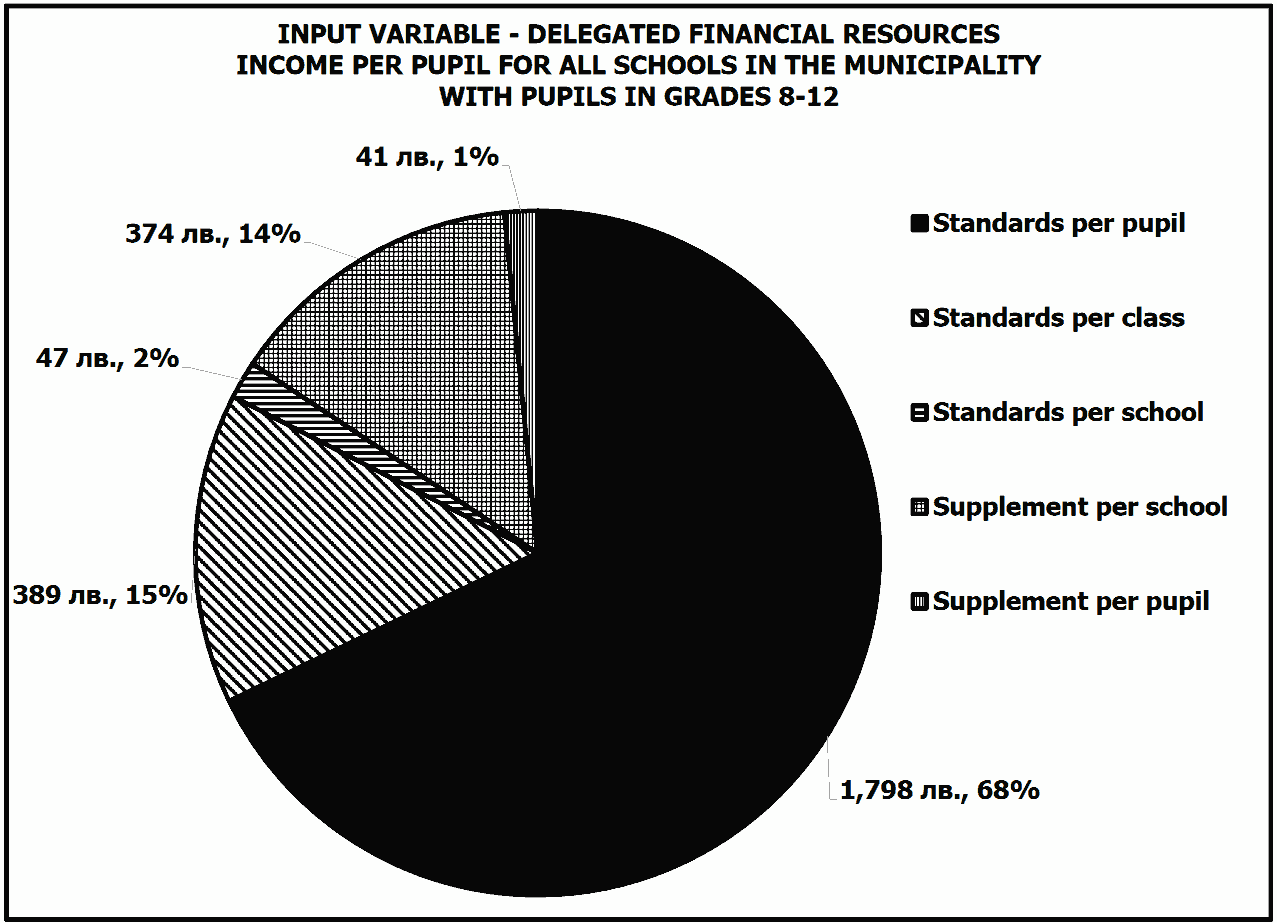
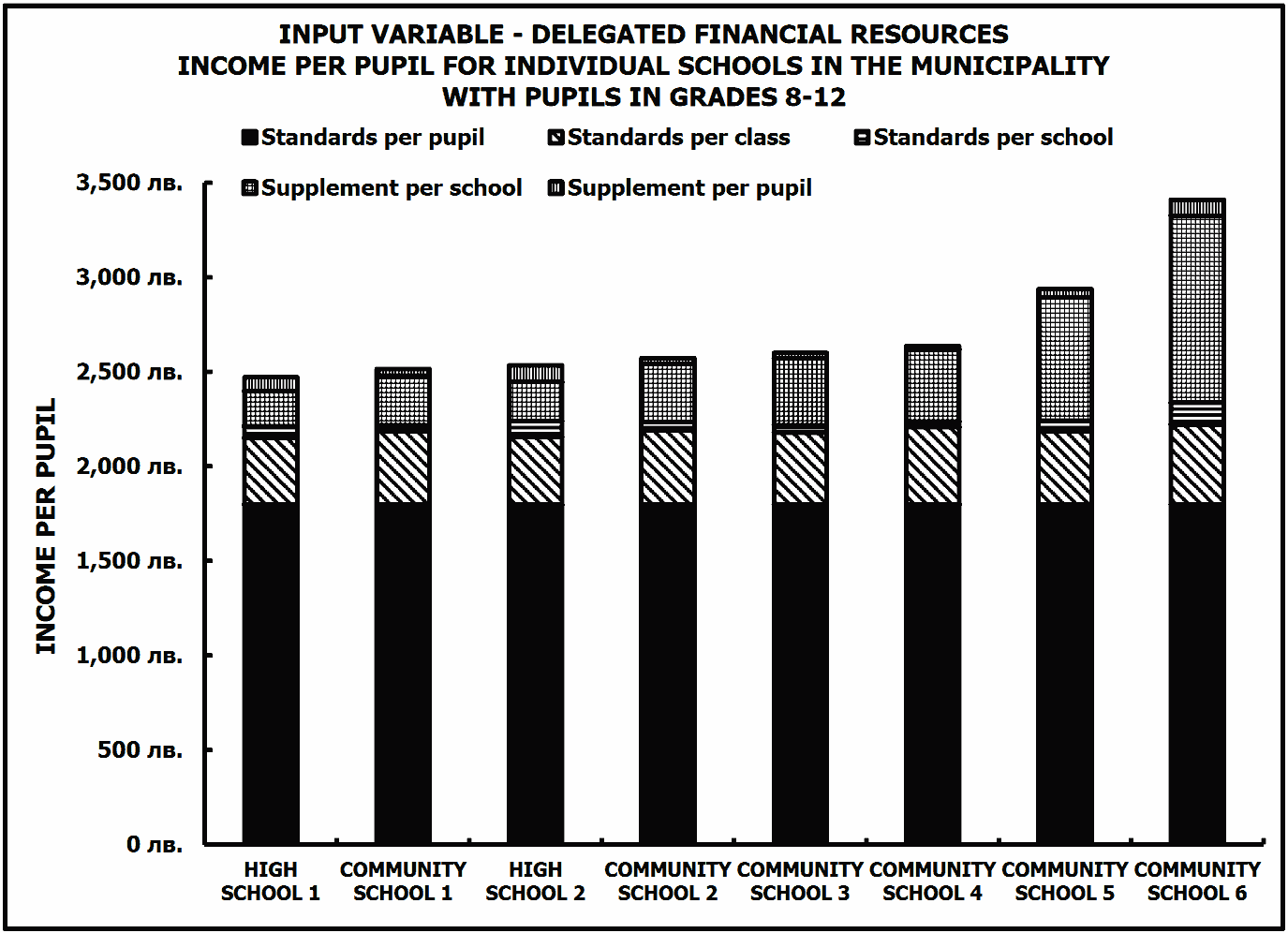
ИЗДРЪЖКАТА КАТО КОМПОНЕНТ ОТ ДЕЛЕГИРАНИТЕ БЮДЖЕТИ – ФАКТОР ЗА ПОСТИГАНЕ НА ОСНОВНИТЕ ЦЕЛИ НА СРЕДНОТО ОБРАЗОВАНИЕ
Самуил Шейнин
РАЗРЕШАВАНЕ НА КОНФЛИКТНИ СИТУАЦИИ В УЧИЛИЩЕ ОТ УЧЕНИЦИ МЕДИАТОРИ
Татяна Дронзина, Бисерка Михалева
ПРИЛОЖЕНИЕ НА СОФТУЕРНАТА ПРОГРАМА „ЕНВИЖЪН“ В ОБУЧЕНИЕТО ПО МАТЕМАТИКА В ПЪРВИ КЛАС
Ивалина Костадинова
КАК ФУНКЦИОНИРАТ ОПЕРАЦИОННИТЕ СИСТЕМИ?
Себастиян Янев
ПАЗАРНА СТРАТЕГИЯ НА КУРИЕРСКИ ОПЕРАТОР
Силвия Гочева
НАСТАВНИЧЕСТВОТО – ПРЕДИЗВИКАТЕЛСТВО И ЦЕЛ
Мима Фратева
МУЛТИМЕДИЙНИ УРОЦИ ПО ИСТОРИЯ И ЦИВИЛИЗАЦИЯ – ИДЕИ И ПРАКТИКИ
Красимир Иванов
ОБУЧЕНИЕ ЧРЕЗ ИГРА И ЗАБАВЛЕНИЕ С АКТИВНОТО УЧАСТИЕ НА РОДИТЕЛИТЕ
Кръстинка Митракиева
ГРАФИЧЕН МЕТОД ЗА РЕШАВАНЕ НА УРАВНЕНИЯ Информационните технологии – инструментариум за решаване на математически проблеми
Красимир Димитров
ВИРУСИ В АТАКА! МОЛЯ, ПОМОГНЕТЕ!
Антоанета Донева
УЧАСТИЕТО В ПРОЕКТИ – КАЧЕСТВЕН ИНСТРУМЕНТ ЗА МОТИВАЦИЯ НА УЧЕНИЦИ И УЧИТЕЛИ
Ивайло Старибратов
ФИЗИЧНИЯТ ЕКСПЕРИМЕНТ В ОБУЧЕНИЕТО ПО ФИЗИКА
Боряна Николова Генева
Книжка 3
ИЗПОЛЗВАНЕТО НА ПРОЕКТОБАЗИРАН МЕТОД И ИНТЕРДИСЦИПЛИНАРЕН ПОДХОД КЪМ УЧЕБНИЯ ПРОЦЕС В ПРОФЕСИОНАЛНОТО ОБРАЗОВАНИЕ
Елена Саянова
SCIENTIX – ОБЩНОСТТА ЗА НАУЧНО ОБРАЗОВАНИЕ В ЕВРОПА
Цеца Христова
ПОРТФОЛИОТО НА УЧИТЕЛЯ – СРЕДСТВО ЗА САМООЦЕНЯВАНЕ И КАРИЕРНО РАЗВИТИЕ НА УЧИТЕЛЯ ПО ПРОФЕСИОНАЛНА ПОДГОТОВКА
Светлана Янкова Гурмева-Иванова, Здравка Георгиева Костадинова
УЧИЛИЩЕН МЕДИАТОР – ПРЕДИЗВИКАТЕЛСТВО И РЕАЛНОСТ
Марина Николова, Бисерка Михалева
НАЙ-ДОБРИЯТ НАЧИН ДА ПРЕДВИДИШ БЪДЕЩЕТО, Е ДА ГО СЪЗДАДЕШ САМ
Йорданка Чавдарова
ЗАЩИТА НА ИНФОРМАЦИЯТА В АВТОМАТИЗИРАНИТЕ ИНФОРМАЦИОННИ СИСТЕМИ В ОБЛАСТТА НА СИГУРНОСТТА И ОТБРАНАТА
Иванка Димитрова
ОСНОВНИ ХАРАКТЕРИСТИКИ НА НАУЧНАТА И ИНОВАЦИОННАТА ПОЛИТИКА В ПРОГРАМАТА НА ДОНАЛД ТРЪМП
Марияна Димитрова Димитрова
МОТИВАЦИЯ НА УЧИТЕЛИТЕ ЗА ПОВИШАВАНЕ НА ПРОФЕСИОНАЛНАТА КВАЛИФИКАЦИЯ
Ирена Анастасова
ЗА „РАЗЛИЧНИТЕ“ И „ДРУГИТЕ“
Ирена Тасева
МАЛКИТЕ ЕЖЕДНЕВНИ РЕШЕНИЯ ВОДЯТ ДО ГОЛЕМИТЕ СБЪДНАТИ МЕЧТИ, ИЛИ ЗА УДОВЛЕТВОРЕНИЕТО ДА РАБОТИШ В ЕДНО СТРАХОТНО УЧИЛИЩЕ
Стефана Петрова
РАБОТАТА НА КЛАСНИЯ РЪКОВОДИТЕЛ И ИЗВЪНКЛАСНИТЕ ДЕЙНОСТИ – ВАЖЕН ФАКТОР ЗА ПЕДАГОГИЧЕСКАТА ПОДКРЕПА НА УЧЕНИЦИТЕ
Малинка Маринова
ТЕМАТА ЗА ПРИЯТЕЛСТВОТО И ОБЩУВАНЕТО\(^{1)}\)
Детелина Георгиева Христова
Книжка 2
THE “FOOD ON CANVAS” TRAINING COURSE AS A CREATIVE APPROACH TO CROSSCURRICULAR LEARNING
Elena Sayanova
СИНЕРГИЯ МЕЖДУ ФУНКЦИИТЕ ФАСИЛИТИ МЕНИДЖМЪНТ И УПРАВЛЕНИЕ НА ЧОВЕШКИТЕ РЕСУРСИ В СЪВРЕМЕННИТЕ ОРГАНИЗАЦИИ
Александър С. Марков
НОВИ ВЪЗМОЖНОСТИ ЗА КВАЛИФИКАЦИЯ С НОВИ СПЕЦИАЛНОСТИ
Янка Василева
СЪЩНОСТ И ПОЛЗИ ОТ CLIL ОБУЧЕНИЕТО
Иванка Пукнева, Людмила Рижук
МЕДИАЦИЯТА – ЕДНА ДОКАЗАНО ДОБРА ПЕДАГОГИЧЕСКА ПРАКТИКА ЗА СПРАВЯНЕ С УЧИЛИЩНАТА АГРЕСИЯ
Бисерка Михалева
ПОМОЩ ЗА ОБУЧАВАЩИТЕ СЕ: ОБУЧЕНИЕ НА ВЪЗРАСТНИ ПО СЧЕТОВОДСТВО
Ирена Димитровска-Андреева
ЦЕРЕМОНИЯТА „УЧЕНИК НА ГОДИНАТА“ – ДА ИЗБЕРЕМ НАЙ-ДОСТОЙНИЯ ОТ НАЙ-ДОСТОЙНИТЕ
Емил Иванов Терзийски
СЪВРЕМЕННА ИНФРАСТРУКТУРА ЗА ЗАПАЗВАНЕ НА ДАННИ\(^1\)
Асен Захариев
ПОВЕДЕНИЕ НА ПОТРЕБИТЕЛИТЕ ПРИ ПОКУПКА НА КУРИЕРСКИ УСЛУГИ\(^{1)}\)
Десислава Янгънова
СТЪПАЛАТА
Митко Кунчев
НЕ САМО С ЛИНИЙКА И ПЕРГЕЛ
Боряна Куюмджиева
LET’S CATCH THE GOLD FISH! МЕСТА ЗА УЧЕНЕ
Вяра Гунева
Книжка 1
УВАЖАЕМИ ЧИТАТЕЛИ,
Тоня Георгиева, главен редактор
ПРОФЕСИОНАЛНОТО ОБРАЗОВАНИЕ В ОБЛАСТ КЮСТЕНДИЛ
Радостина Новакова
ПРОФЕСИОНАЛНОТО ОБРАЗОВАНИЕ В ОБЛАСТ ПАЗАРДЖИК – ТРАДИЦИИ, ПОСТИЖЕНИЯ, ПРЕДИЗВИКАТЕЛСТВА
Кирил Белев
ПРОФЕСИОНАЛНОТО РАЗВИТИЕ НА УЧИТЕЛИТЕ – ГАРАНЦИЯ ЗА ДОБРИ РЕЗУЛТАТИ И ПРЕДПОСТАВКА ЗА РЕФОРМА
Емилияна Димитрова
ПРИЛАГАНЕ НА МЕДИАЦИЯТА КАТО ДОКАЗАНА ДОБРА ПЕДАГОГИЧЕСКА ПРАКТИКА ЗА СПРАВЯНЕ С АГРЕСИЯТА В БЪЛГАРСКОТО УЧИЛИЩЕ. ОПИТЪТ НА ОБЛАСТ СЛИВЕН
Бисерка Михалева
УДОБСТВА И РИСКОВЕ ПРИ ИЗПОЛЗВАНЕ НА ИНТЕРНЕТ ЗА ЛИЧНИ ЦЕЛИ
Аделина Балиева
РАЗВИТИЕ НА УНИВЕРСАЛНАТА ПОЩЕНСКА УСЛУГА
Айше Узунова
СЪВРЕМЕННАТА КЛАСНА СТАЯ, ИЛИ ЗАЩО СМАРТФОНИТЕ НЕ СА ВРАГ НА УЧИТЕЛЯ
Десислава Куманова
ДЪРВОРЕЗБАРСТВОТО – МАТЕМАТИКА С ПЕРГЕЛ, КОМПЮТЪР И ДЛЕТО В РЪЦЕ – БИЛО Е, Е И ЩЕ БЪДЕ!
Диана Василева
ХУДОЖЕСТВЕНАТА ГАЛЕРИЯ И ДЕЦАТА – ТВОРЧЕСКО ОБЩУВАНЕ
Здравко Тошев
ПРИЛОЖЕНИЕ НА ИНТЕРАКТИВНИ МЕТОДИ В ОБУЧЕНИЕТО НА УЧЕНИЦИТЕ В VII КЛАС ПО „БИОЛОГИЯ И ЗДРАВНО ОБРАЗОВАНИЕ“
Красимира Желева
ПРИЛОЖЕНИЕ НА „ЕНВИЖЪН“ В ОБУЧЕНИЕТО НА УЧЕНИЦИТЕ ОТ НАЧАЛЕН ЕТАП
Ивалина Костадинова, Светлана Колева
2016 година
Книжка 6
СОЦИАЛНИЯТ МАРКЕТИНГ КАТО ПОДХОД ЗА МОТИВИРАНЕ И УЧАСТИЕ В ДВИГАТЕЛНИ И СПОРТНИ ДЕЙНОСТИ
Иван Сандански
СПОРТЪТ СРЕД ПРИРОДАТА – ВЪЗМОЖНОСТ ЗА ОПТИМИЗИРАНЕ НА ДВИГАТЕЛНАТА АКТИВНОСТ В ДЕТСКАТА ГРАДИНА
Паулина Андреева
СПОРТ ЗА КРАСОТА И ЗДРАВЕ
Маргарита Врачовска, Мария Маркова
„БРЕЗИЧКА“ ДИША
Иванка Харбалиева
ДА ИГРАЕМ ЗАЕДНО
Маруся Обретенова
ПОСЛАНИЦИ НА ЗДРАВЕТО
Ученически съвет и IXБ, IXД, XА клас, Консултанти: Валерия Димова и Цецка Вълкова – учители, по биология и здравно образование и география и икономика
СПОРТ СРЕЩУ АГРЕСИЯТА И НАСИЛИЕТО В УЧИЛИЩЕ
Росица Христова
ЕДНА НЕЗАБРАВИМА ЛЯТНА ВАКАЦИЯ
Димитър Дилчев
ПОЛЗИ ОТ ИЗГРАЖДАНЕТО НА НАЦИОНАЛНА СИСТЕМА ЗА ТРАНСФЕР НА КРЕДИТИ В ПРОФЕСИОНАЛНОТО ОБРАЗОВАНИЕ И ОБУЧЕНИЕ
Емилияна Димитрова
ЗА ПОДОБРЯВАНЕ НА РЕЗУЛТАТИТЕ ОТ НАЦИОНАЛНИТЕ ВЪНШНИ ОЦЕНЯВАНИЯ
Галина Евденова
ЗАЩО МЕДИАЦИЯ?
Татяна Дронзина, Бисерка Михалева
АСТРОПАРТИ
Радка Костадинова
НОВИ ВЪЗМОЖНОСТИ ЗА КВАЛИФИКАЦИЯ С НОВИ СПЕЦИАЛНОСТИ
Янка Василева
ПРАВИЛА ЗА ИНСТИТУЦИОНАЛНА КВАЛИФИКАЦИЯ НА ПЕДАГОГИЧЕСКИТЕ СПЕЦИАЛИСТИ В СИСТЕМАТА НА СРЕДНОТО ОБРАЗОВАНИЕ
Розета Заркова
EКСКУРЗИЯТА – СТИМУЛ ЗА ПОВИШАВАНЕ ПОЗНАВАТЕЛНАТА АКТИВНОСТ НА УЧЕНИЦИТЕ ОТ НАЧАЛЕН ЕТАП ПО ПРЕДМЕТИТЕ „РОДЕН КРАЙ“, „ОКОЛЕН СВЯТ“, „ЧОВЕКЪТ И ПРИРОДАТА“ И „ЧОВЕКЪТ И ОБЩЕСТВОТО“
Камелия Любенова Ангелова
ДА СИ УЧИТЕЛ
Катя Димитрова
РАБОТА ПО СЛУЧАЙ В ОБРАЗОВАНИЕТО – ПСИХОЛОГИЧЕСКИ АСПЕКТИ
Станислав Пандин
Книжка 5
ПРОФЕСИОНАЛНО ОБРАЗОВАНИЕ В МУЛТИЕТНИЧЕСКА СРЕДА
Иван Койчев Господинов
КАЧЕСТВОТО ПРИ КАРИЕРНОТО КОНСУЛТИРАНЕ НА МЛАДЕЖИ И СЪВРЕМЕННАТА МЕДИЙНА ГРАМОТНОСТ
Росен Петков, Мартина Дробенова
В ПОДКРЕПА НА ДЕЦА И МЛАДЕЖИ В РИСК<sup>1)</sup>
Мануела Радева
ОБРАЗОВАНИЕТО НА РОМИТЕ – ИЗСТРАДАНА МЪДРОСТ НА ОБЩЕСТВОТО
Дина Димитрова, Йорданка Стоилова
ЕВРОПЕЙСКИ ИЗМЕРЕНИЯ В ПРОФЕСИОНАЛНОТО ОБРАЗОВАНИЕ И ОБУЧЕНИЕ
Емилияна Димитрова
ИЗМЕРЕНИЯ НА ПРОФЕСИОНАЛНОТО ОБУЧЕНИЕ ЗА ВЪЗРАСТНИ ПРЕЗ 2015 Г.
Владимир Борисов
НОВА ПРОГРАМА ЗА УМЕНИЯТА В ЕВРОПА
Люба Иванова
УЧИЛИЩЕ, В КОЕТО НЕ СПИРАТ ДА МЕЧТАЯТ
Гергана Тончева
ПРЕДИЗВИКАТЕЛСТВОТО ДА УПРАВЛЯВАШ МАЛКО УЧИЛИЩЕ
Гергана Тончева
ПЕТ МИНУТИ СТИГАТ ДА СТАНЕШ ЖУРНАЛИСТ
Дарина Стайкова Хаджийска
ИНДИЙСКИ ПРИКАЗКИ
Марияна Хаджийска
ЕДНО МАЛКО УЧИЛИЩЕ С ГОЛЕМИ МЕЧТИ
Соня Трифонова
ЧИТАЛИЩЕТО КАТО КЛАСНА СТАЯ
Станимира Никова
Книжка 4
ТЕХНОЛОГИЯ ЗА РАЗВИВАНЕ НА УМЕНИЯТА ЗА ЧЕТЕНЕ ПО АНГЛИЙСКИ ЕЗИК ВЪВ ВТОРИ КЛАС ЧРЕЗ ИГРОВИ МЕТОДИ
Даниела Димитрова
СТРАТЕГИЯ ЗА УСПЕШНО ПРЕДСТАВЯНЕ НА УЧЕНИЦИТЕ ОТ IV КЛАС НА НАЦИОНАЛНО ВЪНШНО ОЦЕНЯВАНЕ
Нели Стойчева
В ПОДКРЕПА НА ДЕЦА И МЛАДЕЖИ В РИСК
Мануела Радева
ЕЛЕКТРОННИЯТ УЧЕБНИК В ОБУЧЕНИЕТО ПО МАТЕМАТИКА – МОТИВИРАЩ ФАКТОР ЗА АКТИВНО УЧАСТИЕ НА УЧЕНИЦИТЕ В УЧЕБНИЯ ПРОЦЕС
Валентина Велчева
ДОБРИ ПРАКТИКИ В ОБУЧЕНИЕТО ПО ИКОНОМИКА
Петя Коларова
ЗДРАВЕТО НА НАШИТЕ ДЕЦА – ПРЕВЕНЦИЯ, А НЕ СЛЕД ТОВА. . .
Снежана Драшанска
Книжка 3
ПРЕДПРИЕМАЧЕСКИ УМЕНИЯ
Албена Вуцова, Емил Митов
КАНИМ ТЕАТЪРА НА УРОК ПО РУСКИ ЕЗИК
Розалина Димитрова, Румяна Тодорова
РЕГИОНАЛНО ВЪНШНО ОЦЕНЯВАНЕ В ПРОФЕСИОНАЛНОТО ОБРАЗОВАНИЕ И ОБУЧЕНИЕ (ПРОФЕСИОНАЛНО НАПРАВЛЕНИЕ „СТРОИТЕЛСТВО“, ПРОФЕСИЯ „СТРОИТЕЛЕН ТЕХНИК“, СПЕЦИАЛНОСТ „СТРОИТЕЛСТВО И АРХИТЕКТУРА“)
Катя Минева, Сашко Арабаджиев
„УЧЕНИЧЕСКИ ОЛИМПИЙСКИ ИГРИ“ В 37. СОУ„РАЙНА КНЯГИНЯ“
Марти Драганова
РАЗРАБОТEНА БАЗА ОТ ДАННИ ЗА НУЖДИТЕ НА CONTROL-M
Мартин Рангелов
СЪЗДАВАНЕ НА ЕЛЕКТРОНЕН ТЕРМИНОЛОГИЧЕН СПРАВОЧНИК, БАЗИРАН НА J AVA
Цветан Владимиров
ЗАХРАНВАНЕ НА КОМУНИКАЦИОНЕН МОДУЛ
Нели Манева
ПРИЛОЖЕНИЕ НА СПЪТНИКОВИТЕ СИСТЕМИ В АРМИЯТА
Иванка Димитрова
ОЦЕНКА НА КАЧЕСТВОТО НА КУРИЕРСКИТЕ УСЛУГИ ЧРЕЗ LSQ МОДЕЛА
Таня Киркова, Гергана Ленкова
РАЗВИТИЕ НА АДМИНИСТРАТИВНОТО ОБСЛУЖВАНЕ ПО ЕЛЕКТРОНЕН ПЪТ
Кристина Стоянова
ФЕСТИВАЛ НА НАУКАТА В ПОЛЗА НА РАННОТО КАРИЕРНО ОРИЕНТИРАНЕ
Йордан Ходжев, Елена Танева-Николова
ИЗВЪНКЛАСНИ ДЕЙНОСТИ , СВЪРЗАНИ С ВИСОКИ ТЕХНОЛОГИИ – МЕХАНИЗЪМ ЗА ЗАДЪРЖАНЕ НА ЗАСТРАШЕНИ ОТ ОТПАДАНЕ УЧЕНИЦИ
Йордан Ходжев, Елена Танева-Николова
Книжка 2
МОДЕЛ НА ОБРАЗОВАТЕЛНА ТЕХНОЛОГИЯ НА ОБУЧЕНИЕТО ПО ПРОФЕСИЯ „ДЕСЕНАТОР НА ТЕКСТИЛ“ В МУЛТИЕТНИЧЕСКА СРЕДА
Иван Господинов
КЛАСНА СТАЯ НА БЪДЕЩЕТО
Даниела Самарджиева, Тихомира Нанева
ОЦЕНЯВАНЕ В ПРОФЕСИОНАЛНОТО ОБРАЗОВАНИЕ И ОБУЧЕНИЕ
Катя Минева, Сашко Арабаджиев
УСПЕШНО ИЗПЪЛНЕНИЕ НА ПРОЕКТА „УПРАВЛЕНИЕ ЗА ЕФЕКТИВНО ПРОФЕСИОНАЛНО ОБРАЗОВАНИЕ“
Емилияна Димитрова
МЯСТОТО НА ОНЛАЙН ОБУЧЕНИЕТО ДНЕС. ПЪТИЩА ЗА УСПЕШНО ПРЕПОДАВАНЕ ВЪВ ВИРТУАЛНА СРЕДА
Ваня Налбантова
АНИМАЦИЯ И АНИМАТОРСКА ДЕЙНОСТ
Анелия Калчева
ПЕДАГОГИЧЕСКИ МОДЕЛ ЗА РЕАЛИЗИРАНЕ НА САМОСТОЯТЕЛНАТА РАБОТА НА УЧЕНИЦИТЕ В ОБУЧЕНИЕТО ПО „ДОМАШЕН БИТ И ТЕХНИКА“
Радостина Георгиева
МУЗЕИТЕ И УЧИЛИЩАТА – ЗАЕДНО ЗА МОДЕРНО И ИНОВАТИВНО ОБРАЗОВАНИЕ, ИЛИ ВРЪЗКА, ОБРЕЧЕНА НА УСПЕХ
Екатерина Цекова
В ПОДКРЕПА НА EPALE В БЪЛГАРИЯ
Валентина Дейкова
ENTER INTERNATIONAL STUDY WEEK IN VIENNA, AUSTRIA
Daniela Atanasova, Nedyalka Palagacheva
MEMBERSHIP IN ENTER OR HOW TO ACQUIRE CREATIVE BEHAVIOR AND INNOVATIVE KNOWLEDGE AND EXPERIENCE
Rositsa Genova, Sevdalina Yordanova
HISTORY OF “ST. GEORGE THE CONQUEROR” VOCATIONAL SCHOOL
Rumen Grahovski
THE SCHOOL IN THE GLOBAL VILLAGE
Svetlana Kalapisheva, Nikolina Koinarska
Книжка 1
ИЗПОЛЗВАНЕ НА РЕСУРСИТЕ НА ИНТЕРНЕТ САЙТА В РАБОТАТА НА ПРЕПОДАВАТЕЛЯ В МЕДИЦИНСКИ КОЛЕЖ
Елка Евлогиева
АКТУАЛНО СЪСТОЯНИЕ И ТЕНДЕНЦИИ ЗА РАЗВИТИЕ НА ПРОФЕСИОНАЛНОТО ОБРАЗОВАНИЕ И ОБУЧЕНИЕ В ПЕРСПЕКТИВАТА НА УЧЕНЕТО ПРЕЗ ЦЕЛИЯ ЖИВОТ
Аделина Любомирова
ДУАЛНО ОБУЧЕНИЕ? ЗАЩО НЕ!
Иглика Нинова
ИНОВАЦИОННИ МЕТОДИ НА ОБУЧЕНИЕ ПРИ УЧЕБНИЯ ПРЕДМЕТ „ОБЩА ТЕОРИЯ НА СЧЕТОВОДНАТА ОТЧЕТНОСТ“
Красимира Макавеева
МЯСТОТО НА ПРОФЕСИОНАЛНИТЕ ГИМНАЗИИ ПО СЕЛСКО СТОПАНСТВО ЗА РАЗВИТИЕТО НА ЗЕМЕДЕЛИЕТО В БЪЛГАРИЯ
Румен Граховски
ПЕДАГОГИЧЕСКОТО ПОЗНАНИЕ НА УЧИТЕЛЯ ЗА ПРИЛОЖЕНИЕТО НА МУЛТИМЕДИЙНИ ПРОДУКТИ В ОБУЧЕНИЕТО
Нина Герджикова
УНИВЕРСАЛНОСТ НА РЕКЛАМНОТО ПОСЛАНИЕ
Николай Кънчев
ПОЗНАВАТЕЛНИЯТ ПРОЦЕС И МЯСТОТО НА САМОСТОЯТЕЛНАТА РАБОТА В НЕГО ПРИ ОБУЧЕНИЕТО ПО „ДОМАШЕН БИТ И ТЕХНИКА“
Радостина Георгиева
МОДЕЛ ЗА ФОРМИРАНЕ И РАЗВИТИЕ НА КОМУНИКАТИВНАТА КОМПЕТЕНТНОСТ НА СТУДЕНТИТЕ В ТЕХНИЧЕСКИ ВУЗ
Диана Изворска
МАРКЕТИНГОВИ АСПЕКТИ НА ЧАСТНОТО ОБРАЗОВАНИЕ В БЪЛГАРИЯ
Николай Качармазов
ИСТОРИЯТА НА ЕДНА МЛАДА ГИМНАЗИЯ
Нели Стефанова
МАРЧИНГ БЕНД „MARCHING STARS“
Ивайла Цачева
2015 година
Книжка 6
ПРОБЛЕМИ И ПЕРСПЕКТИВИ В РАЗВИТИЕТО НА ИЗВЪНУЧИЛИЩНИТЕ ЗАНИМАНИЯ СЪС СПОРТ И ФИЗИЧЕСКО ВЪЗПИТАНИЕ
Лозан Митев
ПАТРОННИЯТ ПРАЗНИК НА 163. ОУ „ЧЕРНОРИЗЕЦ ХРАБЪР“ – НОВАТОРСТВО В ТРАДИЦИЯТА
Велислава Шурулинкова
СКОКОВЕ НА БАТУТ – ЗАБАВНО И ПОЛЕЗНО
Ирена Тенева, Виолета Дряновска
УСПЕШНА ЕКИПНА ДЕЙНОСТ
Нина Няголова
ФЕНОМЕНЪТ „УЧЕНИЧЕСКИ И СТУДЕНТСКИ БИСЕРИ“ И ЦЕННОСТИТЕ НА МЛАДИТЕ ХОРА
Надя Кантарева-Барух
ВАЛИДИРАНЕ НА ЗНАНИЯ И УМЕНИЯ, ПРИДОБИТИ В ТРУДОВИЯ ОПИТ – ОПИТ И ТЕНДЕНЦИИ
Емилиана Димитрова, Красимира Брозиг
РАЗШИРЯВАНЕ И ЗАДЪЛБОЧАВАНЕ НА УЧЕБНОТО СЪДЪРЖАНИЕ ПО ОПТИКА В ШКОЛИТЕ ПО ФИЗИКА
Ирена Борисова, Даниела Узунова, Ванилия Беремска
„ДЕТСТВОТО ПРИ СОЦИАЛИЗМА“ – ИЗСЛЕДОВАТЕЛСКА РЕКОНСТРУКЦИЯ В РАБОТИЛНИЦА ПО ИСТОРИЯ
Анелия Ковачева, Поля Якимова
ИНТЕРАКТИВНО ОБУЧЕНИЕ НА УЧЕНИЦИ ОТ V И VI КЛАС В ШКОЛА ПО АСТРОНОМИЯ, ИЛИ КАК ЧРЕЗ ИГРИ ДА ПЪТУВАМЕ КЪМ ЗВЕЗДИТЕ
Ванилия Беремска
МОИТЕ КОРЕНИ, МОЕТО РОДОСЛОВНО ДЪРВО
Поля Якимова
СТАНДАРТИ ЗА КУЛТУРА НА ПОВЕДЕНИЕ
Миланка Дечева
РАБОТАТА С УЧЕНИЦИТЕ В ТЕАТРАЛНО СТУДИО „МАСКА“
Галина Вълчешка
Книжка 5
ИНОВАЦИОННИ МЕТОДИ НА ОБУЧЕНИЕ ПРИ УЧЕБНИЯ ПРЕДМЕТ „ОБЩА ТЕОРИЯ НА СЧЕТОВОДНАТА ОТЧЕТНОСТ“
Красимира Макавеева
ТЕНДЕНЦИИ ПРИ ПРОФЕСИОНАЛНОКВАЛИФИКАЦИОННИТЕ СТЕПЕНИ ПО СПЕЦИАЛНА ПЕДАГОГИКА В БЪЛГАРИЯ
Милен Замфиров
ВЪЗРАСТОВИ ОСОБЕНОСТИ НА ПСИХОЛОГИЧЕСКАТА ПОДГОТОВКА ПРИ СЪСТЕЗАТЕЛКИ ПО ХУДОЖЕСТВЕНА ГИМНАСТИКА
Мария Кънчева
СИНЕРГИЯТА „ОБРАЗОВАНИЕ – МЕДИИ“ В ПРОЕКТА SMARTFUTURE НА ВАРНЕНСКИЯ СВОБОДЕН УНИВЕРСИТЕТ „ЧЕРНОРИЗЕЦ ХРАБЪР“
Теодора Бакърджиева
MODEL OF FOLK HIGH SCHOOL PEDAGOGY FOR ORGANIC AGRICULTURE EDUCATION
Ivan Manolov, Dimo Atanasov, Ewa Stratenwerth, Paweł Kulpa, Martin Nobelmann, Reto Ingold, Henrike Rieken, Hristina Yancheva, Atanaska Stoeva, Peter Mogensen, Sulisława Borowska
АКТУАЛНО СЪСТОЯНИЕ НА ОБРАЗОВАТЕЛНАТА СИСТЕМА НА НОРВЕГИЯ
Росица Иванова
TEACHING ENGLISH THROUGH PROJECT-BASED LEARNING IN ZAFERİYE ABALIOĞLU PRİMARY SCHOOL, DENİZLİ, TURKEY
Vesselina Boneva, Muserref Fidan
УЧЕБНА ИГРА ОТ ПЪРВАТА МИ ГОДИНА КАТО УЧИТЕЛ
Евгений Димитров
ЕДИН НЕОБИКНОВЕН ЧАС ПО НЕМСКИ ЕЗИК
Пепа Анигностова
Книжка 4
РЕКЛАМАТА И НЕЙНИЯТ ВИЗУАЛЕН ЕЗИК
Николай Кънчев
ЕДИН НЕОБИКНОВЕН ЧАС ПО НЕМСКИ ЕЗИК
Пепа Анигностова
КОМПЮТЪРНО ПОДПОМОГНАТО ОБУЧЕНИЕ НА УЧЕНИЦИ С УВРЕДЕН СЛУХ ПО ПРИРОДНИ НАУКИ В БЪЛГАРИЯ
Милен Замфиров
МЕТОДИ ЗА ПРОВЕРКА И КОНТРОЛ НА РЕЗУЛТАТИТЕ ОТ ОБУЧЕНИЕТО ПО „ОБЩА ТЕОРИЯ НА СЧЕТОВОДНАТА ОТЧЕТНОСТ“
Красимира Макавеева
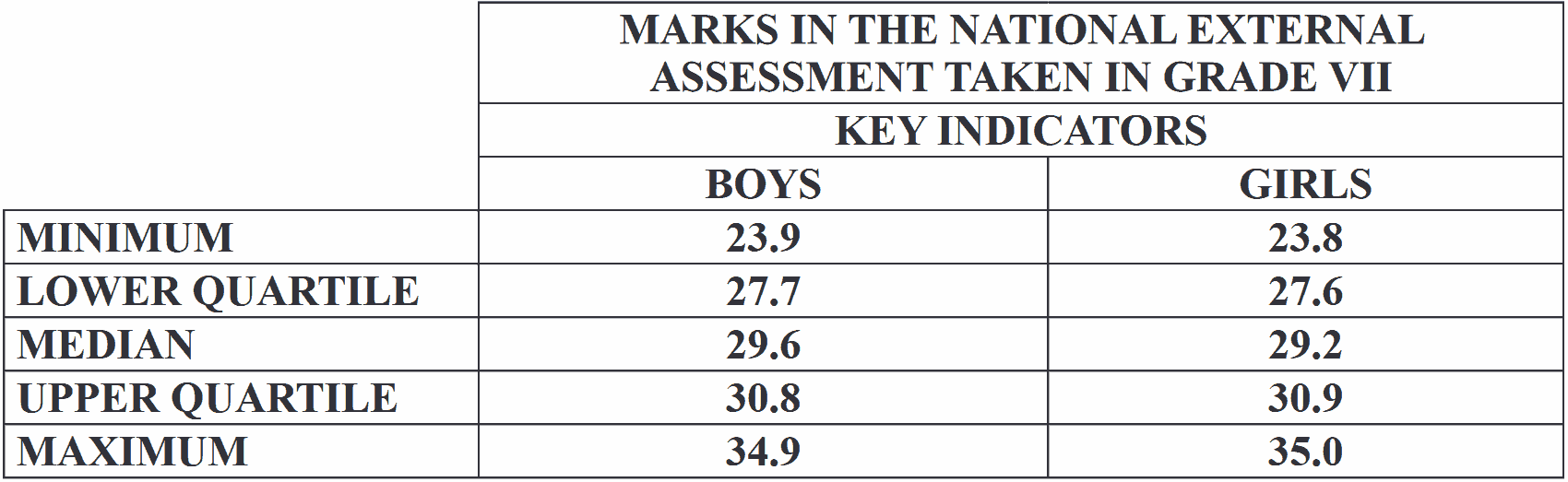
РЕЗУЛТАТИ ОТ НАЦИОНАЛНО ВЪНШНО ОЦЕНЯВАНЕ ПО ЧУЖД ЕЗИК В СЕДМИ КЛАС В ОБЛАСТ СЛИВЕН ПРЕЗ УЧЕБНАТА 2014/2015 ГОДИНА
Веселина Бонева
ИНОВАЦИОНЕН МЕНИДЖМЪНТ В СИСТЕМАТА НА ОБРАЗОВАНИЕТО. УЧИЛИЩНА ПРОГРАМА ЗА ВЪВЕЖДАНЕ НА ТРЕНИНГ ЗА ЖИТЕЙСКИ УМЕНИЯ
Здравка Тасева
УЧИЛИЩЕ С ВКУС НА ЛЯТО. ИДЕИ ЗА ТВОРЧЕСКИ ЗАНИМАНИЯ С ДЕЦА ОТ ПРЕДУЧИЛИЩНА И НАЧАЛНА УЧИЛИЩНА ВЪЗРАСТ
Аня Стоянова
РАБОТА СЪС СЛЕТИ КЛАСОВЕ В НАЧАЛЕН ЕТАП НА ОСНОВНАТА ОБРАЗОВАТЕЛНА СТЕПЕН – МЕТОДИ И ПОХВАТИ ЗА СТИМУЛИРАНЕ НА УЧЕБНО-ПОЗНАВАТЕЛНАТА ДЕЙНОСТ
Веселина Хаджиева, Сирма Сиракова
ОРГАНИЗИРАНЕ И ЕФЕКТИВНО ПРИЛАГАНЕ НА НОВИЯ МОДЕЛ НА ЦЕЛОДНЕВНА ОРГАНИЗАЦИЯ НА УЧЕБНИЯ ПРОЦЕС
Мариела Костадинова, Елиза Хаджиева
Книжка 3
ИЗТОЧНИЦИ НА ТРЕВОЖНИ ПРЕЖИВЯВАНИЯ В ЮНОШЕСКА ВЪЗРАСТ
Гергана Славчева
МЕТОДИ И ЕТИЧНИ АСПЕКТИ ПРИ ОБУЧЕНИЕТО НА ЛИЦА СЪС СЛУХОВИ НАРУШЕНИЯ
Светослава Съева
ВЪТРЕШНОУЧИЛИЩНАТА КВАЛИФИКАЦИЯ НА УЧИТЕЛИ – ФАКТОР ЗА ПОВИШАВАНЕ НА КАЧЕСТВОТО НА ОБРАЗОВАНИЕТО
Ирина Горанова
AN ENGLISH LANGUAGE WORKSHOP AT SCIENCE AND MATHEMATICS HIGH SCHOOL “YANE SANDANSKI” – GOTSE DELCHEV
Mariyana Karamiteva
ДОБРА ПЕДАГОГИЧЕСКА ПРАКТИКА – ДЕЛОВА ИГРА, В СЪОТВЕТСТВИЕ С ХАРАКТЕРИСТИКИТЕ НА ОП „НАУКА И ОБРАЗОВАНИЕ 2014 – 2020“
Генка Тодорова
УЧИЛИЩНИЯТ ДИРЕКТОР – ЛИДЕР, АДМИНИСТРАТОР ИЛИ МЕНИДЖЪР
Румена Милова
РАЗЛИЧНИТЕ ВИДОВЕ ОЦЕНЯВАНЕ
Станислава Базитова
КВАЛИФИКАЦИОННАТА ДЕЙНОСТ В ПГСУАУ „АТАНАС БУРОВ“ – СИЛИСТРА
Наталия Крумова
ОБУЧЕНИЕ НА УЧЕНИЦИ СЪС СПЕЦИАЛНИ ОБРАЗОВАТЕЛНИ ПОТРЕБНОСТИ В ПГСУАУ „АТАНАС БУРОВ“ – СИЛИСТРА
Станислава Великова, Бисерка Костова
САМООЦЕНКАТА – ИНСТРУМЕНТ ЗА ИЗМЕРВАНЕ НА КАЧЕСТВОТО И РАЗКРИВАНЕ НА ПОТЕНЦИАЛА ЗА РАЗВИТИЕ НА ПРОФЕСИОНАЛНОТО ОБРАЗОВАНИЕ
Ирина Гетова-Георгиева, Марияна Винарова
Книжка 2
ИЗПОЛЗВАНЕ НА МЕТОДИ НА ИЗСЛЕДВАНИЯ (IBSE) ЗА ПОДОБРЯВАНЕ НА ОБРАЗОВАНИЕТО ПО ФИЗИКА И АСТРОНОМИЯ
Цеца Христова
ВЪЗМОЖНОСТИ НА УЧЕБНИЯ ПРЕДМЕТ „СЕРВИРАНЕ“ ЗА РЕАЛИЗИРАНЕ НА ИНТЕРАКТИВНИТЕ МЕТОДИ ЗА ОБУЧЕНИЕ
Слава Рачева
УТВЪРЖДАВАНЕ НА УЧЕНИЧЕСКОТО ОБЩЕЖИТИЕ КАТО РЕАЛНА СРЕДА ЗА СИСТЕМНА ВЪЗПИТАТЕЛНА РАБОТА ПО ВСИЧКИ ОСНОВНИ НАПРАВЛЕНИЯ ОТ ФОРМИРАНЕТО НА ЛИЧНОСТТА НА УЧЕНИКА
Стефана Атанасова
ПОКОЛЕНИЕ „Z“ Е В КЛАСНИТЕ СТАИ И НИЕ, УЧИТЕЛИТЕ, ТРЯБВА ДА СМЕ ГОТОВИ ДА ГО ПОСРЕЩНЕМ И ОБУЧИМ
Бисерка Василева
ПРОФЕСИОНАЛНО КВАЛИФИКАЦИОННИТЕ СТЕПЕНИ НА ПЕДАГОГИЧЕСКИЯ ПЕРСОНАЛ – ПРЕДПОСТАВКИ, АДМИНИСТРИРАНЕ, ПРОБЛЕМАТИКА
Недялко Колев
АНАЛИЗ НА ВЪЗРАСТОВАТА СТРУКТУРА НА ПРЕПОДАВАТЕЛСКИЯ СЪСТАВ В СРЕДНИТЕ ПРОФЕСИОНАЛНИ УЧИЛИЩА В БЪЛГАРИЯ
Николай Качармазов
ДА ПОДГОТВИШ ПЧЕЛАР
Петър Петров
В ГИМНАЗИЯТА В СИТОВО ИМАМЕ МЕЧТА
Рашид Абтула
ДОБРИ АГРОНОМИЧЕСКИ ПРАКТИКИ В ПГСС – С. СИТОВО
Даниела Георгиева
ИНФОРМАЦИОННИТЕ ТЕХНОЛОГИИ В НАШЕТО УЧИЛИЩЕ
Ервин Ибрям
ИЗВЪНУЧИЛИЩНАТА ДЕЙНОСТ В УЧЕНИЧЕСКОТО ОБЩЕЖИТИЕ КЪМ ПГСС – С. СИТОВО
Славянка Стоянова
РАБОТАТА МИ КАТО ПЕДАГОГИЧЕСКИ СЪВЕТНИК
Радка Димитранова
Книжка 1
ПРЕДПРИЕМАЧЕСТВОТО В ИЗВЪНКЛАСНИТЕ ФОРМИ НА РАБОТА В НАЧАЛЕН ЕТАП. ФОРМИРАНЕ НА УМЕНИЯ ЗА САМООЦЕНКА НА УЧЕНИЦИТЕ
Йовка Петкова
ФОРМИРАНЕ НА ТОЛЕРАНТНОСТ И ЕМПАТИЯ ПРИ 5 – 7-ГОДИШНИТЕ ДЕЦА
Надие Карагьозова
ЕКИПНО ПРЕПОДАВАНЕ – ЕДИН ОТ ПЪТИЩАТА ЗА РАЗВИТИЕ НА КОМУНИКАТИВНИ КОМПЕТЕНТНОСТИ ЗА ИНЖЕНЕРИ
Сеня Терзиева, Веселина Коларски
СИСТЕМАТА ЗА ПРОФЕСИОНАЛНО ОРИЕНТИРАНЕ И КОНСУЛТИРАНЕ НА ДЕЦА СЪС СПЕЦИФИЧНИ ПОТРЕБНОСТИ В БЪЛГАРИЯ – ИСТОРИЧЕСКИ ТЕНДЕНЦИИ И СЪВРЕМЕННО СЪСТОЯНИЕ
Моника Богданова
В ЗАЩИТА НА БЪЛГАРСКИЯ ЖЕСТОВ ЕЗИК: НЕОБХОДИМА ИНФОРМАЦИЯ, СЪДЪРЖАНИЕ И ПРАКТИЧЕСКО ПРИЛОЖЕНИЕ
Миряна Мошева
СЪХРАНЯВАНЕ И ВЪЗСТАНОВЯВАНЕ НА АРХИТЕКТУРНО НАСЛЕДСТВО И ИЗГРАЖДАНЕ НА КУЛТУРНИ РАЙОНИ НА ТЕРИТОРИЯТА
Миглена Молхова, Зорница Станева, Силвия Иванова
90 ГОДИНИ СРЕДНО ОБЩООБРАЗОВАТЕЛНО УЧИЛИЩЕ „СВ. ПАИСИЙ ХИЛЕНДАРСКИ“ – С. АБЛАНИЦА. РОЛЯТА НА ГЛАВНИЯ УЧИТЕЛ – МОДЕРАТОР, МЕДИАТОР, НАСТАВНИК
Сълзета Зейнева
ПРОФЕСИОНАЛИЗМЪТ В УПРАВЛЕНИЕТО НА УЧИЛИЩЕТО В МАЛКИТЕ НАСЕЛЕНИ МЕСТА Споделен опит на ръководството на СОУ „Св. Паисий Хилендарски“, с. Абланица
Мехмед Имамов, Калинка Гайтанинчева
УЧИТЕЛСКАТА ПРОФЕСИЯ – ПРЕДИЗВИКАТЕЛСТВО ИЛИ ЗАДЪЛЖЕНИЕ
Зейнеп Топова
2014 година
Книжка 6
УСПЕШНИ ПРАКТИКИ В ПРОФЕСИОНАЛНОТО ОБРАЗОВАНИЕ И ОБУЧЕНИЕ: ПОДГОТОВКА НА МЛАДИТЕ ХОРА ЗА ПАЗАРА НА ТРУДА
Веселина Иванова
ЕЛЕКТРОННО ОБУЧЕНИЕ И КОМПЮТЪРЕН ДИЗАЙН (CAD) НА ПОДВЪРЗИИ
Росен Петков, Елица Личева, Даниела Атанасова
ПРИКАЗКИ, ПРЕДАНИЯ И ЛЕГЕНДИ НА РАЗЛИЧНИТЕ ЕТНОСИ И НАРОДИ В ЕЗИКОВОЛИТЕРАТУРНОТО ОБУЧЕНИЕ НА ДЕЦАТА ОТ НАЧАЛНОТО УЧИЛИЩЕ
Мариета Димитрова
СТРАТЕГИЯ ЗА РАЗВИТИЕ НА ПРОФЕСИОНАЛНА ГИМНАЗИЯ ПО ПОДЕМНА, СТРОИТЕЛНА И ТРАНСПОРТНА ТЕХНИКА „Н. Й. ВАПЦАРОВ“ – ЯМБОЛ, ЗА ПЕРИОДА 2014 – 2016 ГОДИНА
Моника Петрова, Янка Божкова, Станка Вълева, Милен Минков, Мима Неделчева
ВАРИАНТИ ЗА ОРГАНИЗИРАНЕ И ПРОВЕЖДАНЕ НА ПРАКТИЧЕСКО ОБУЧЕНИЕ НА УЧЕНИЦИ ОТ ПРОФЕСИОНАЛНИ ГИМНАЗИИ В РЕАЛНА РАБОТНА СРЕДА
Моника Петрова, Мария Локмаджиева, Милен Минков
ПРАЗНИК НА СЛОВОТО
Трудни са времената, в които живеем. Увлечени в борбата за насъщния, притиснати от неизвестността и несигурното, утре забравяме за онази, друга- та храна, която е необходима за духа, която храни душата. Децата ни също но- сят своя кръст, лутат се, търсейки път, а ние, възрастните, често не можем да им помогнем . Не искам да влизам в полемиката с философите кое e по-важно
СПОРТ И ЗДРАВЕ В 7. СОУ „КУЗМАН ШАПКАРЕВ“ – БЛАГОЕВГРАД. ЗДРАВОСЛОВНОТО ХРАНЕНЕ КАТО НАЧИН НА ЖИВОТ
Илияна Янева, Лилия Стоянова
FROM ENTERPRISE CLASSES TO YORDAN RADICHKOV’S SPARROWS
Milena Todorova
Книжка 5
СТЕНОГРАФИЯТА В ХХI ВЕК
Нина Иванова
THE CHALLENGE TO BECOME A YOUNG TEACHER
Stanislava Bazitova
ЗАЩО Е НЕОБХОДИМО ИЗПОЛЗВАНЕТО НА БЪЛГАРСКИЯ ЖЕСТОВ ЕЗИК ПРИ ОБУЧЕНИЕТО НА ДЕЦАТА С ПРОБЛЕМИ НА СЛУХА
Миряна Мошева
ACTIVATING METHODS AND SOCRATIC DIALOGUE
Jan-Willem Noom, Ard Sonneveld
130 ГОДИНИ ДЪРЖАВНА ТЪРГОВСКА ГИМНАЗИЯ ,,ДИМИТЪР ХАДЖИВАСИЛЕВ“ – ОГНИЩЕ НА ИКОНОМИЧЕСКОТО ОБРАЗОВАНИЕ В БЪЛГАРИЯ
Альоша Кушлов
ИНТЕГРИРАНЕ НА ТЕХНОЛОГИИТЕ И РАЗВИВАНЕ НА ПРОФЕСИОНАЛНИ И КЛЮЧОВИ УМЕНИЯ В ПРОЦЕСА НА ОБУЧЕНИЕ ПО „СЧЕТОВОДСТВО НА ПРЕДПРИЯТИЕТО“
Диана Илиева, Теодора Спасова
ИНТЕГРАТИВНО ПРАКТИЧЕСКО ОБУЧЕНИЕ НА УЧЕНИЦИТЕ ОТ ПРОФЕСИЯ „СЪТРУДНИК В МАЛЪК И СРЕДЕН БИЗНЕС“
Здравка Пенчева
ВЪЗМОЖНОСТИТЕ ЗА ПРИЛАГАНЕ НА ПЕДАГОГИЧЕСКИ ТЕХНИКИ, МЕТОДИ И ДИДАКТИЧЕСКИ СРЕДСТВА С ИНТЕРАКТИВЕН ХАРАКТЕР В ОБУЧЕНИЕТО ПО МАТЕМАТИКА
Велина Атанасова
СЪВРЕМЕННИ ВИДОВЕ ТЕХНОЛОГИИ – В ПОМОЩ (ИЛИ НЕ) НА ОБРАЗОВАНИЕТО
Цветелин Борисов
ЦЕНТЪР ЗА КАРИЕРНО ОРИЕНТИРАНЕ И ПРЕДПРИЕМАЧЕСТВО – ВЪЗМОЖНОСТ ЗА РАЗВИВАНЕ НА ЛИЧНОСТНИЯ ПОТЕНЦИАЛ НА УЧЕНИКА
Румяна Пенева
УСПЕШНИ ПРАКТИКИ В ПРОФЕСИОНАЛНОТО ОБРАЗОВАНИЕ И ОБУЧЕНИЕ ПО ТУРИЗЪМ ЧРЕЗ ПРАКТИЧЕСКО ОБУЧЕНИЕ В ТУРЦИЯ
Аделина Милинова, Моника Петрова
ЧОВЕШКИТЕ РЕСУРСИ – КОНКУРЕНТНО ПРЕДИМСТВО
Румяна Иванова
ОЦЕНЯВАНЕТО ПО ФИЗИЧЕСКО ВЪЗПИТАНИЕ И СПОРТ
Ангел Петков
УЧЕНИЧЕСКИЯТ ТЕАТЪР КАТО МОДЕЛ ЗА ПРИОБЩАВАНЕ
Цветанка Троянова
Книжка 4
ИНТЕРЕСЪТ КЪМ ИНЖЕНЕРНИТЕ ПРОФЕСИИ – ПОЗНАВАМЕ ЛИ ГО И КАК СЕ ФОРМИРА?
Силвия Трайкова, Сеня Терзиева
ПРИЛАГАНЕ НА АЛГОРИТЪМА НА ГЕЙЛ-ШАПЛИ ПРИ ФОРМИРАНЕ НА ПРИЕМА В СРЕДНИТЕ И ВИСШИТЕ УЧЕБНИ ЗАВЕДЕНИЯ
Николай Качармазов
ПЕДАГОГИЧЕСКИ ОСОБЕНОСТИ ПРИ ИЗВЕЖДАНЕ НА ПРАКТИЧЕСКО ЗАНЯТИЕ НА ТЕМА „МЕХАНИЗИРАНА ТЕХНОЛОГИЯ ЗА СЪХРАНЕНИЕ НА ЗЪРНО В ПОЛИЕТИЛЕНОВИ РЪКАВИ“
Виктор Дуганец, Димитър Иринчев
ОБЩИНСКИ ПРАЗНИК НА ЕТНОСИТЕ – ТОЛЕРАНТЕН МУЛТИКУЛТУРЕН ДИАЛОГ ЗА ПРЕВРЪЩАНЕ НА УЧИЛИЩЕТО В ЖЕЛАНА ТЕРИТОРИЯ НА УЧЕНИКА (Добри практики от училището за обществен мир)
Калинка Гайтанинчева, Мехмед Имамов
LEARNING TO GIVE POWER TO THE PEOPLE: COMPETENCES FOR STUDENTS AND YOUNG PROFESSIONALS*
Jeroen de Vries, Frans van den Goorbergh 1. Public Participation in Planning Projects Public participation in the Netherlands is a crucial issue because the public is becoming more aware of their right to infl uence policies, design, management and maintenance. Furthermore the national and local governments have a policy to stimulate public participation to enhance maintenance and development of urban open space. In the aftermath of the credit crunch local authorities and project developers
GREEN PEDAGOGY: EMPOWERMENT FOR CHANGE*
Wilhelm Linder
СТРАТЕГИЧЕСКОТО ПЛАНИРАНЕ В БЪЛГАРСКОТО УЧИЛИЩЕ – НЕОБХОДИМОСТ И ИНСТРУМЕНТ ЗА МОДЕРНИЗАЦИЯ НА ОБРАЗОВАНИЕТО
Неджат Кехайов
КОМПЮТЪРЪТ В ЧАСОВЕТЕ ПО МАТЕМАТИКА
Даниела Груева
ЦЕРН – ЕДНА СБЪДНАТА МЕЧТА
Свежина Димитрова
Книжка 3
СПЕЦИАЛНОСТ „АРХИВИСТИКА И ДОКУМЕНТАЛИСТИКА“ И ПРОФЕСИОНАЛНИТЕ ПРОФИЛИ НА ДИПЛОМИРАНИТЕ АРХИВИСТИ В ИНФОРМАЦИОННОТО МРЕЖОВО ОБЩЕСТВО
Андриана Нейкова
ПРОФЕСИЯТА НА АРХИВИСТА – ПЕРСПЕКТИВИ ЗА РАЗВИТИЕ
Ивелина Караилиева-Димитрова
ТИПОЛОГИЯ НА РОЛЕВАТА ИГРА КАТО ИГРОВ МЕТОД НА ОБУЧЕНИЕ НА СТУДЕНТИ В СЕМИНАРНИТЕ УПРАЖНЕНИЯ ПО „ТУРИСТИЧЕСКО ЕКСКУРЗОВОДСТВО“
Захарий Дечев
БЪЛГАРСКАТА УНИВЕРСИТЕТСКА АРХИВИСТИКА – ТЕОРЕТИЧНО РАВНИЩЕ, УЧЕБНО СЪДЪРЖАНИЕ И ПРОФЕСИОНАЛНИ ПРОФИЛИ
Русалена Пенджекова
ОРГАНИЗАЦИЯ НА НАУЧНАТА РАБОТА НА СТУДЕНТИТЕ В КАТЕДРА ОТ ИЗСЛЕДОВАТЕЛСКИ УНИВЕРСИТЕТ
Мария Бондарь, Димитър Иринчев
ENTER STUDY DAYS 2014 – HOW TO USE THE ENVIRONMENT TO ACHIEVE INNOVATIVE COMPETENCES – A NEW VISION FOR EDUCATION
Galya Mladenova
ИНТЕЛЕКТУАЛНИТЕ КАРТИ MIND MAPS – ДИНАМИЧЕН И ПРОСПЕРИРАЩ ПОДХОД В ОБУЧЕНИЕТО ПО „БИЗНЕС КОМУНИКАЦИИ“
Венета Кичукова
НАЦИОНАЛНИЯТ ЦЕНТЪР ЗА ИНФОРМАЦИЯ И ДОКУМЕНТАЦИЯ В УСЛУГА НА ПРОФЕСИОНАЛНАТА МОБИЛНОСТ
Ваня Грашкина, Костадин Тонев
ИНТЕГРИРАНА КОНСЕРВАЦИЯ НА АРХИТЕКТУРНО КУЛТУРНО НАСЛЕДСТВО, НАСОЧЕНА КЪМ УСТОЙЧИВО РАЗВИТИЕ НА ТЕРИТОРИЯТА – ДОБРИ ПРАКТИКИ В ОБЛАСТТА НА УСТОЙЧИВАТА ИНТЕГРИРАНА КОНСЕРВАЦИЯ И ПОДОБРЯВАНЕТО НА ВЪЗМОЖНОСТИТЕ ЗА ЗАЕТОСТ И УПРАВЛЕНИЕ НА ТЕРИТОРИЯТА
Миглена Молхова, Зорница Станева и Силвия Иванова
ХОЛИСТИЧЕН И ТЕХНОЛОГИЧЕН СМИСЪЛ НА ИНТЕЛИГЕНТНИЯ ГРАД
Андрей Йорданов
Книжка 2
РОЛЯТА НА ИНТЕРАКТИВНИТЕ ВРЪЗКИ В ПРОФЕСИОНАЛНОТО ОБУЧЕНИЕ (СПЕЦИАЛНОСТ „СЕЛСКИ ТУРИЗЪМ“, ПРОФЕСИЯ „ОРГАНИЗАТОР НА ТУРИСТИЧЕСКА АГЕНТСКА ДЕЙНОСТ“)
Мариана Йорданова, Даринка Бойчева, Десислава Иванова
КЛАСНИТЕ ПРОЕКТИ – ЕДИН НОВ НАЧИН ЗА СЪТВОРЯВАНЕ НА ВЪЛНУВАЩ, НЕСТАНДАРТЕН И КРЕАТИВЕН СВЯТ ЗА УЧЕНИЦИТЕ
Елизабет Влаева
ПРОЕКТНОТО ОБУЧЕНИЕ КАТО ИНОВАЦИОНЕН МЕТОД В ПРОФЕСИОНАЛНАТА ПОДГОТОВКА ПО ИКОНОМИЧЕСКИТЕ ДИСЦИПЛИНИ
Пенка Тодорова
ОЦЕНЯВАНЕ НА ПОСТИЖЕНИЯТА НА УЧЕНИЦИТЕ В ОБУЧЕНИЕТО ПО МОДУЛА „МЕТАЛОРЕЖЕЩИ МАШИНИ И ИНСТРУМЕНТИ“
Златьо Боев
PROBLEMS OF TRAINING UPDATE QUALITATIVE SPECIALISTS IN CONDITION OF INNOVATIONS IN EDUCATION OF KAZAKHSTAN
F.N. Zhumabekova, M.P. Asуlbekova, A.Zh. Salieva, A.N. Zhumadilova
115 ГОДИНИ ОТ РОЖДЕНИЕТО НА АКАДЕМИК ИВАН СТЕФАНОВ
Величко Петров
ENVIRONMENT AND INNOVATION
Tonya Georgieva
ТРАДИЦИЯ И МОДЕРНО ОБРАЗОВАНИЕ
Георги Гатев
ИНОВАТИВНИ ПРАКТИКИ ЗА НАМИРАНЕ НА ОБРАЗОВАТЕЛНИ РЕШЕНИЯ
Росица Генова
ПРОФЕСИОНАЛНОТО УЧИЛИЩЕ НА ЗЕМЕДЕЛСКИ РЕГИОН С ТРАДИЦИИ
Светлана Калапишева
ENTER IN BULGARIA - DIFFERENT APPROACH AND NEW HORIZON
An interview with Jan-Willem Noom, Vice-President of ENTER
ECVET ПОДКРЕПЯ ПОЛИТИКИТЕ ЗА УЧЕНЕ ПРЕЗ ЦЕЛИЯ ЖИВОТ
Пенка Николова
ИКОНОМИКА, КОМПЕТЕНЦИИ И ПРОГНОЗИ ЗА ИЗИСКВАНИЯТА КЪМ РАБОТНАТА СИЛА – ЕДИН ВЪЗМОЖЕН ПРАКТИЧЕСКИ ПОДХОД
Кирил Желязков
REFORMING THE VET SYSTEM IN BULGARIA
Iliana Taneva
Книжка 1
ВЗАИМООТНОШЕНИЯТА МЕЖДУ ОБРАЗОВАТЕЛНИТЕ ИНСТИТУЦИИ И БИЗНЕСА – СЪСТОЯНИЕ, ПЕРСПЕКТИВИ И ПРЕДЛОЖЕНИЯ
Недялко Колев
ПРОФЕСИЯ „КООРДИНАТОР НА ИНДИВИДУАЛНА ОБРАЗОВАТЕЛНА ПРОГРАМА“?
Моника Богданова
ИНТЕРАКТИВНА СРЕДА С ВИДЕОУРОЦИ ЗА ИЗУЧАВАНЕ НА СПЕЦИАЛИЗИРАН АНГЛИЙСКИ ЕЗИК В ИНЖЕНЕРНИ СПЕЦИАЛНОСТИ
Таня Панчева, Сеня Терзиева
НАУКА И НРАВСТВЕНОСТ В ОБУЧЕНИЕТО ПО ФИЗИКА
Весела Димова
ВЗАИМОДЕЙСТВИЕ ДЕТСКА ГРАДИНА – СЕМЕЙСТВО
Надие Карагьозова
ПРЕДИЗВИКАТЕЛСТВОТО НА АКТИВНОТО ОБЩУВАНЕ В УЧИЛИЩЕ
Ваня Кастрева
ДОБРИ ПРАКТИКИ ЗА ПРЕОДОЛЯВАНЕ НА КОНФЛИКТНИТЕ СИТУАЦИИ В УЧИЛИЩЕ. РОЛЯТА НА ДИСКУСИОННОКОНСУЛТАТИВНИТЕ СРЕЩИ
Елка Велкова
КАК ДА РАЗБИРАМЕ ПОВЕДЕНИЕТО НА ДЕТЕТО ПРЕДИЗВИКАТЕЛНО ПОВЕДЕНИЕ
Звездица Пенева-Ковачева
2013 година
Книжка 6
ОТНОСНО КАЧЕСТВЕНОТО ПРОФЕСИОНАЛНО ОБРАЗОВАНИЕ В ДАНИЯ
Росица Иванова
L’IMPACT DES TIC SUR LA MOTIVATION À APPRENDRE LE FLE
Leonarda Myslihaka
КОНЦЕПТУАЛЬНОЕ ВИДЕНИЕ СОЗДАНИЯ НАЦИОНАЛЬНОЙ СИСТЕМЫ КВАЛИФИКАЦИЙ
Жанат Далабаев Акмарал Жумадилова
TЕАМ – TEACHING – A GOOD EXAMPLE FOR INSTITUTIONAL DEVELOPMENT AND COLLEGIAL LEARNING
Beate Kralicek
ОБУЧЕНИЕ ЗА МЛАДИ ФРАНКОФОНИ ЗА СТАРТИРАНЕ НА САМОСТОЯТЕЛЕН БИЗНЕС
Димитър Пехливанов
THE NEW EU PROGRAMME ERASMUS+
Androulla Vassiliou Doris Pack
Книжка 5
ИЗПОЛЗВАНЕ НА „МЕТОДА НА ПРОЕКТИТЕ“ В ОБУЧЕНИЕТО НА СТУДЕНТИ
Елка Евлогиева
ТРАНСФОРМАЦИЯ НА КЛАСНО-УРОЧНАТА СИСТЕМА ЗА ОРГАНИЗАЦИЯ НА ОБУЧЕНИЕТО, ИЛИ МАЛКО ОБРАЗОВАТЕЛНА ФУТУРОЛОГИЯ
Яна Рашева-Мерджанова
TRANSMISSION OF INFORMATION BY NONSINUSOIDAL FUNCTIONS
Ilka Stefanova
ENTER ОБЕДИНЯВА И ПРОВОКИРА
Тоня Георгиева
ECO BUILDING BECOMES A WINDOW TO KNOWLEDGE
To know not only how to grow a fl ower, but also – where to place it
ECOLOGICAL INTELLIGENCE – OR HOW TO INFLUENCE YOURSELF
Madelon de Beus
Книжка 4
ACTIVE LEARNING AND PARTICIPATION
Jan-Willem Noom
ОПЫТ МЕТОДИЧЕСКОЙ ИСТОРИОГРАФИИ (НА МАТЕРИАЛЕ РАБОТ ПО ИСТОРИИ ПРЕПОДАВАНИЯ РУССКОГО ЯЗЫКА КАК ИНОСТРАННОГО)
Леонид Московкин
ТРАНСФЕР НА ДОБРИ ПРАКТИКИ ЗА ПРОФЕСИОНАЛНО ОБУЧЕНИЕ НА МЛАДЕЖИ В НЕРАВНОСТОЙНО ПОЛОЖЕНИЕ В БЪЛГАРИЯ
Миглена Молхова Зорница Станева
ПРОГРАМА ЗА ОБРАЗОВАНИЕ ЗА УСТОЙЧИВО РАЗВИТИЕ НА ПРИМЕРА НА РАЗДЕЛ „КОМПОНЕНТИ НА ПРИРОДНА СРЕДА НА БЪЛГАРИЯ“
Мария Гюлеметова
ЕВРОПЕЙСКИТЕ ЕЗИКОВИ СЕРТИФИКАТИ В БЪЛГАРИЯ И ECL (ЕВРОПЕЙСКИ КОНСОРЦИУМ ЗА СЕРТИФИЦИРАНЕ НА ПОСТИЖЕНИЯТА В ОВЛАДЯВАНЕТО НА СЪВРЕМЕННИ ЕЗИЦИ)
Красимира Скординова – Георгиева
КАКВО МОТИВИРА БЪЛГАРСКИТЕ УЧЕНИЦИ ЗА УЧЕНЕ
Бисерка Василева
SOME REFLECTIONS ON BULGARIA AND THE WAY FORWARD
Steve H. Hanke
ЕВРОПА В ПОДДЕРЖКЕ БИЛИНГВИЗМА
Надя Чернева
МОДЕЛИ И МЕТОДИ ЗА БИЛИНГВАЛНО ОБРАЗОВАНИЕ
Кристина Танева
ИГРИ В КЛАСНАТА СТАЯ – СЕРИОЗНИТЕ КОМПЮТЪРНИ ИГРИ КАТО МЕТОД ЗА ОБУЧЕНИЕ
Антоанета Кацарова, Красимира Брозиг
Книжка 3
РАЗВИТИЕ НА КЛЮЧОВИ УМЕНИЯ ЗА УПРАВЛЕНИЕ НА КАРИЕРАТА
Димитър Искрев
ПРЕДИМСТВА НА ОЦЕНЯВАНЕТО НА СТУДЕНТИ ЧРЕЗ КОМПЮТЪРНИ ТЕСТОВЕ ПО ОБЩОТЕХНИЧЕСКИ ДИСЦИПЛИНИ
Евдокия Петкова
РЕЗУЛТАТИ ОТ ОБУЧЕНИЕ НА УЧЕНИЦИ ПО УЧЕБНА ПРАКТИКА ПРИ ИЗПОЛЗВАНЕ НА ИНФОРМАЦИОННИ ТЕХНОЛОГИИ
Иванка Иванова
Книжка 2
СЪДЪРЖАТЕЛНИ И ПРАКТИЧЕСКИ ИЗМЕРЕНИЯ НА МЕНИДЖМЪНТА НА КЛАСА КАТО РАБОТНА (ФИЗИЧЕСКА) СРЕДА
Александър Ранев
ВЪЗМОЖНОСТИ НА УЧЕБНОТО СЪДЪРЖАНИЕ ПО УЧЕБНИЯ ПРЕДМЕТ „ГРАДИВНИ ЕЛЕМЕНТИ“ ЗА АКТИВИЗИРАНЕ НА САМОСТОЯТЕЛНАТА РАБОТА НА УЧЕНИЦИТЕ
Веска Николова
МАРКЕТИНГЪТ КАТО КОНЦЕПЦИЯ И УПРАВЛЕНСКИ ПОДХОД В ОБРАЗОВАНИЕТО (ЕМПИРИЧНО ИЗСЛЕДВАНЕ)
Радка Питекова
ИЗСЛЕДВАНЕ НА КОРЕЛАЦИОННИТЕ ЗАВИСИМОСТИ МЕЖДУ СПЕЦИФИЧНИТЕ КОНДИЦИОННИ КАЧЕСТВА И ТОЧНОСТТА НА СТРЕЛБАТА В КОША
Ирен Пелтекова
ОРГАНИЗАЦИОННЫЙ АСПЕКТ ТЕХНОЛОГИИ СКВОЗНОГО КУРСОВОГО ПРОЕКТИРОВАНИЯ
Альберт Ростовцев Лариса Кульгина
ПЪРВИТЕ БЪЛГАРСКИ ПРОФЕСИОНАЛНИ УЧИЛИЩА
Катя Стоянова
XУМАНИСТИЧНИ ИДЕИ В ОБРАЗОВАНИЕТО
Росица Иванова
СИСТЕМИТЕ ЗА ПРОФЕСИОНАЛНО ОБУЧЕНИЕ В БЪЛГАРИЯ И ГЕРМАНИЯ – В УСЛУГА НА МЛАДЕЖИ В НЕРАВНОСТОЙНО ПОЛОЖЕНИЕ
Миглена Молхова и Зорница Станева
Книжка 1
КОМПЕТЕНТНОСТНИЯТ ПРОФИЛ НА УЧИТЕЛЯ ПО „ТЕХНИКА И ТЕХНОЛОГИИ“ В КОНТЕКСТА НА НАЦИОНАЛНАТА КВАЛИФИКАЦИОННА РАМКА
Сашко Плачков
ИЗУЧАВАНЕ НА ПРАВАТА НА ДЕЦАТА В НАЧАЛНА ОБРАЗОВАТЕЛНА СТЕПЕН
Снежана Василева
СЪВРЕМЕННИ МОДЕЛИ В КОНСТРУКТИВИСТКИЯ ДИЗАЙН НА ОБУЧЕНИЕ
Даниела Димова
ИКОНОМИКО-МАТЕМАТИЧЕСКОТО МОДЕЛИРАНЕ НА ХРАНЕНЕТО НА НЕПРЕЖИВНИТЕ ЖИВОТНИ – МЕТОДИЧЕСКИ И УЧЕБНО-ПОЗНАВАТЕЛНИ ИЗМЕРЕНИЯ
Николай Качармазов
ПЕДАГОГИЧЕСКА ТЕХНОЛОГИЯ ЗА ПОВИШАВАНЕ НА ЕФЕКТИВНОСТТА НА ОБУЧЕНИЕТО ПО УЧЕБНА ПРАКТИКА
Иванка Иванова
ИЗБОР НА СКАЛА ЗА ОЦЕНЯВАНЕ НА СТИЛА НА УЧЕНЕ
Юрий Клисаров
ФОРМИРАНЕ НА КУЛТУРА ЗА ЗДРАВОСЛОВНО ХРАНЕНЕ НА УЧЕНИЦИТЕ ОТ І–ІV КЛАС КАТО ЕЛЕМЕНТ НА ТЕХНОЛОГИЧНАТА КУЛТУРА ЧРЕЗ ОБУЧЕНИЕТО ПО „ДОМАШЕН БИТ И ТЕХНИКА“
Тезджан Ангелова
АСПЕКТИ НА ОБРАЗОВАТЕЛНАТА СИСТЕМА В ИСЛАНДИЯ
Милен Замфиров
ДИМИТЪР АГУРА – ЕДИН ОТ БЕЛЕЖИТИТЕ БЪЛГАРСКИ СТРОИТЕЛИ (1892–1977)
Никола Караиванов
2012 година
Книжка 6
ОРГАНИЗАЦИЯ И УЧЕБНО-ВЪЗПИТАТЕЛНА ДЕЙНОСТ В ПОЛУИНТЕРНАТНИТЕ ГРУПИ В ПЪРВИ КЛАС – СЪЩНОСТ, ОПИТ И ПЕРСПЕКТИВИ
Даниела Миловидова
САМООБУЧЕНИЕТО ПРИ КВАЛИФИКАЦИЯТА В КОНТЕКСТА НА „УЧЕНЕ ПРЕЗ ЦЕЛИЯ ЖИВОТ“
Гл. ас. д-р инж. Катя Стоянова,
КАК ДА СЪЗДАДЕМ ЕДНА ПО-СИГУРНА СРЕДА В УЧИЛИЩЕ
Мирена Легурска
ВЪЗМОЖНОСТИ НА ОБУЧЕНИЕТО ПО ПРЕДМЕТА „УЧЕБНО-ТРЕНИРОВЪЧНА ФИРМА“ ЗА РЕАЛИЗАЦИЯ НА ИНТЕГРАТИВНИ ВРЪЗКИ
Славка Койчева
МЕТОДИКО-ДИДАКТИЧЕСКИ ОСНОВИ НА ОБУЧЕНИЕТО ПО „ТЕХНОЛОГИЧНО ОБЗАВЕЖДАНЕ НА ХОТЕЛА И РЕСТОРАНТА“
Антонина Недкова
ИНТЕГРАЦИЯ ФОРМАЛЬНОЙ, НЕФОРМАЛЬНОЙ И ИНФОРМАЛЬНОЙ ОБРАЗОВАТЕЛЬНЫХ СИСТЕМ КАК ФАКТОР ЭФФЕКТИВНОЙ ПОДГОТОВКИ КОНКУРЕНТОСПОСОБНОГО СПЕЦИАЛИСТА
Светлана Рунова
THE USE OF COLOR TERMS IN THE ADVERTISING DISCOURSE ON THE EXAMPLE OF STUDYING SPECIAL COURSE, „COLOR AND ADVERTISING“
Zemlyanskaya Anna
THE TARGET VALUE OF INNOVATION DISIPLINE VIDEOCOLORISTIC
Dontsova Maria
НАЦИОНАЛНО УЧИЛИЩЕ ПО ИЗКУСТВАТА „ПАНАЙОТ ПИПКОВ“ – ПЛЕВЕН, В ЕВРОПЕЙСКОТО ОБРАЗОВАТЕЛНО ПРОСТРАНСТВО
Белла Хараламбова
ЗА ХУМАНИЗМА НА ЕДИН ОТ НАЙ-ВЛИЯТЕЛНИТЕ ПСИХОЛОЗИ НА XX ВЕК
Десислава Костова
Книжка 5
ВИСШЕ ТРАНСПОРТНО УЧИЛИЩЕ „ТОДОР КАБЛЕШКОВ“ - МОДЕРНО ОБРАЗОВАНИЕ И ПРОФЕСИОНАЛИЗЪМ
Проф. дтн инж. мат. Петър Колев, доц. д-р Даниела Тодорова
БЪДЕЩЕ, БАЗИРАНО ВЪРХУ ЗНАНИЕТО
Даниела Тодорова
АВТОМОБИЛ С БРАУНОВО ГОРИВО
Иван Петров
МНОГОКАНАЛНА МИКРОПРОЦЕСОРНА СИСТЕМА ЗА ДИСТАНЦИОНЕН КОНТРОЛ И УПРАВЛЕНИЕ НА ЕЛЕКТРОЕНЕРГИЙНИ ОБЕКТИ
Георги Павлов, Радослав Кацов, Ивайло Ненов
КОМПЮТЪРНАТА СИМУЛАЦИЯ КАТО СПОСОБ ЗА УСВОЯВАНЕ НА БАЗОВИ ЗНАНИЯ ПО ДИСЦИПЛИНАТА „МАРКЕТИНГ“ В ПРОФЕСИОНАЛНИТЕ ГИМНАЗИИ С ИКОНОМИЧЕСКИ ПРОФИЛ
Николай Качармазов
ИНТЕГРАТИВНИТЕ ВРЪЗКИ В ОБУЧЕНИЕТО ПО „ДОМАШЕН БИТ И ТЕХНИКА“
Станка Георгиева
СТИМУЛИРАНЕ НА ДЕТСКАТА КРЕАТИВНОСТ В ЧАСОВЕТЕ ЗА ЗАНИМАНИЯ ПО ИНТЕРЕСИ ЧРЕЗ МУЗИКАЛНО, ЛИТЕРАТУРНО И ИЗОБРАЗИТЕЛНО ИЗКУСТВО
Пенка Марчева
РЕАЛИЗИРАНЕ НА ЦЕЛИТЕ НА ОБУЧЕНИЕ ПО МОДУЛ „ПРОИЗВОДСТВО НА КОРПУСНИ МЕБЕЛИ ЧРЕЗ РОЛЕВАТА ИГРА“
Даниела Мантарова
AN ANALYSIS OF THE CORE COMPETENCES AMONG STUDENTS OF THE CONSTRUCTION DEPARTMENT’S RESOURCE CENTER
Svetlana Avramenko
СИСТЕМА СОЦИАЛЬНОГО ПАРТНЕРСТВА КАК ПУТЬ ПОВЫШЕНИЯ КАЧЕСТВА ПРОФЕССИОНАЛЬНОГО ОБРАЗОВАНИЯ
Медведева М.Б.
РУДОЛФ ЩАЙНЕР – БАЩАТА НА ВАЛДОРФСКАТА ПЕДАГОГИКА
Десислава Опел
Книжка 4
АСПЕКТИ НА ПРОДЪЛЖАВАЩО ОБРАЗОВАНИЕ НА УЧИТЕЛИ ПО ПРИРОДНИ НАУКИ
(резултати от проучване мнението на учители за интегриране на ин- формационни и комуникационни технологии в обучението)
ВАРИАНТ НА ДЕКОМПОЗИРАНЕ НА ОБЩИТЕ ЦЕЛИ ДО РАВНИЩЕ УЧЕБЕН ПРЕДМЕТ „КОНСТРУИРАНЕ НА МЕБЕЛИ“
Даниела Мантарова
АКТУАЛЬНОСТЬ ТЕСТИРОВАНИЯ В ПРОЦЕССЕ ОБУЧЕНИЯ СТУДЕНТОВ КОЛЛЕДЖА
Морозова Наталия
СПЕЦИФИКА НА ДЕЛОВОТО ОБЩУВАНЕ МЕЖДУ УЧИТЕЛИ И УЧЕНИЦИ В ПРОФЕСИОНАЛНИТЕ УЧИЛИЩА. ВРЪЗКА С ПРОЯВИТЕ НА ТРЕВОЖНОСТ
Гергана Славчева
ОЦЕНКАТА НА ИЗПЪЛНЕНИЕТО НА ДЪРЖАВНИТЕ СЛУЖИТЕЛИ – СРАВНИТЕЛЕН АНАЛИЗ МЕЖДУ БЪЛГАРИЯ И ФРАНЦИЯ
Аделина Любомирова
ПРОФЕСИОНАЛНА ГИМНАЗИЯ ПО СТРОИТЕЛСТВО И АРХИТЕКТУРА ГРАД ПАЗАРДЖИК
Професионална гимназия по строителство и архитектура – град Пазар-
Книжка 3
РОЛЯ И МЯСТО НА ТЕХНОЛОГИЧНОТО ОБУЧЕНИЕ В СИСТЕМАТА НА ОБЩООБРАЗОВАТЕЛНАТА ПОДГОТОВКА
Теменужка Михалева
УЧИТЕЛИТЕ И ПРОФЕСИОНАЛНИТЕ ДЕФОРМАЦИИ
Снежана Янакиева
ИЗБОРЪТ НА ПРОФЕСИЯ – СОЦИАЛЕН И ЛИЧНОСТЕН АКТ
Илиана Петкова
СВОБОДНО ИЗБИРАЕМА ПОДГОТОВКА ПО ИКОНОМИКА В НАЧАЛНОТО УЧИЛИЩЕ
Мария Кавданска Виолина Стойнева
Книжка 2
КАРИЕРНИТЕ УСЛУГИ В БЪЛГАРИЯ – СЪСТОЯНИЕ И ТЕНДЕНЦИИ
Моника Богданова
РЕАЛИЗИРАНЕ НА ИНОВАЦИОННИ МЕТОДИ ЗА ОЦЕНЯВАНЕ В ОБУЧЕНИЕТО ПО МОДУЛ „ВЪВЕДЕНИЕ В ПЕРСОНАЛНИТЕ КОМПЮТРИ“
Елена Илиева-Ибовска
ПРИЛОЖЕНИЕ НА ОБРАЗОВАТЕЛНОТО ПОРТФОЛИО В ПРОФЕСИОНАЛНАТА ПОДГОТОВКА
Здравка Костадинова
Книжка 1
Към читателя [Editoral] / Тоня Георгиева / Tonya Georgieva
Тоня Георгиева
ПЕРМАНЕНТНО ОБРАЗОВАНИЕ И УЧЕНЕ ПРЕЗ ЦЕЛИЯ ЖИВОТ
Чавдар Катански
ЕЛЕКТРОННО ПОМАГАЛО ПО МОДУЛ „ВЪВЕДЕНИЕ В ПЕРСОНАЛНИТЕ КОМПЮТРИ“ – ИНОВАЦИОНЕН ПОДХОД ЗА САМОСТОЯТЕЛНО ОБУЧЕНИЕ
Елена Илиева-Ибовска
ГРАЖДАНСКИТЕ И ОБЩЕСТВЕНИТЕ КОМПЕТЕНТНОСТИ У БЪЛГАРСКИТЕ УЧЕНИЦИ ОТ ПРОГИМНАЗИАЛЕН ЕТАП – РЕЗУЛТАТИ ОТ ЕДНО ИЗСЛЕДВАНЕ
Захари Захариев, Бистра Стоименова, Мирена Легурска
СРАВНИТЕЛЕН АНАЛИЗ НА БЪЛГАРСКИЯ И ЕВРОПЕЙСКИЯ ОПИТ В СИСТЕМАТА НА ПРОФЕСИОНАЛНОТО ОБРАЗОВАНИЕ И ОБУЧЕНИЕ
Катя Стоянова
ТВОЕТО БЪДЕЩЕ ЗАВИСИ ОТ ДНЕС!
Катя Ценева